Downloads
 Login
Login
 Register


Tags
Six Indian non-basmati rice varieties you should know about
By CNBCTV18.com
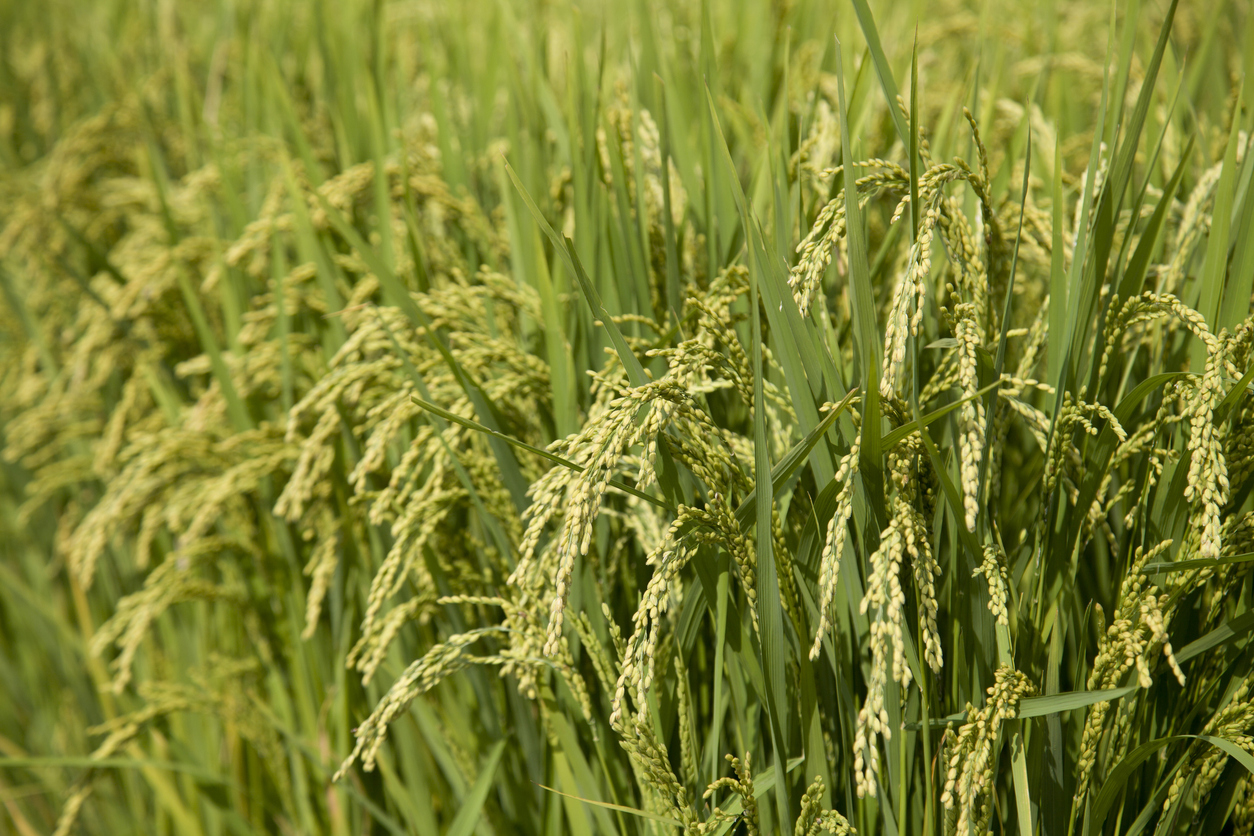
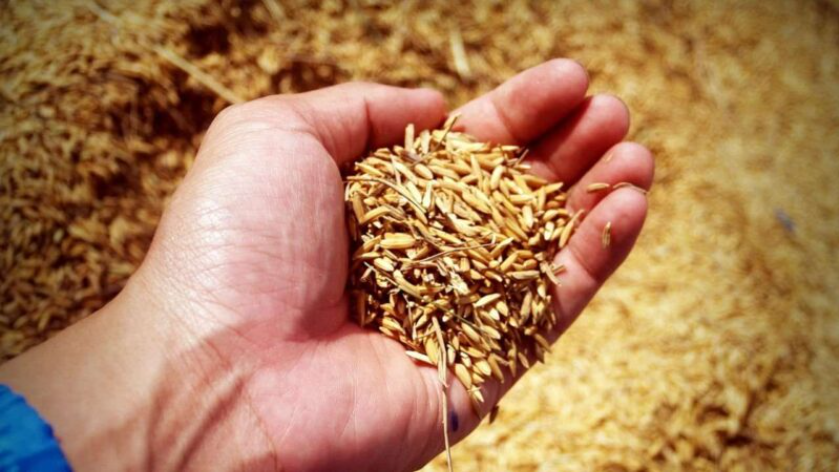
Gobindobhog, Joha, Navara and other traditional rice varieties showcase India’s agricultural diversity through their regional identity, GI Tags and ODOP recognition.
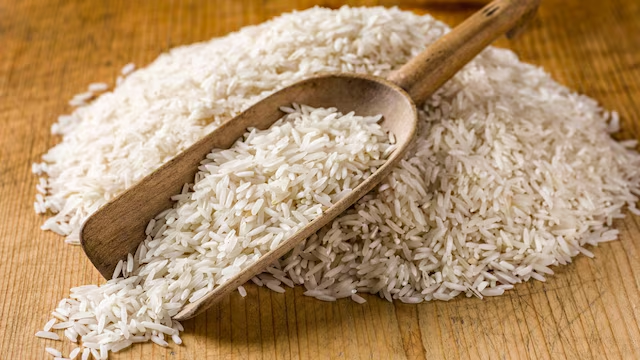
India is home to many traditional rice varieties; each linked to a different region and farming heritage. While some are recognised with GI Tags, others have been included under the One District One Product (ODOP) initiative, reflecting their regional importance. Here are six non-basmati rice varieties highlighting the diversity of India’s rice-growing regions. (Image: Canva)
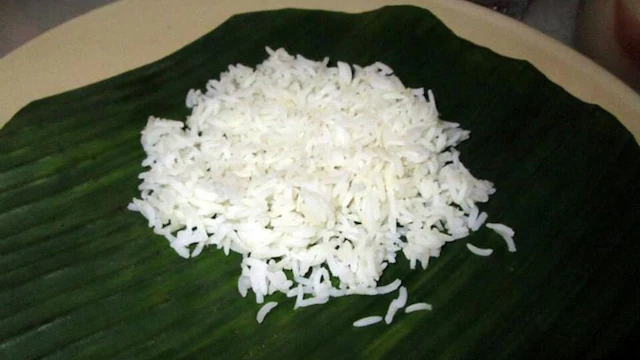
Gobindobhog Rice: Gobindobhog Rice is a traditional variety from West Bengal. It is known for its short grains, natural aroma and soft texture after cooking. It has a GI Tag. (Image: Wikimedia Commons)
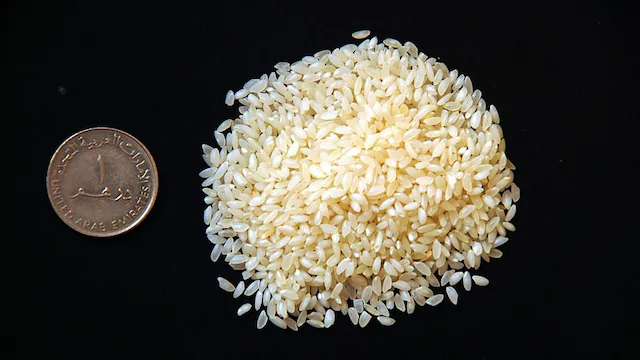
Jeerakasala: Jeerakasala is a traditional rice variety from Kerala. Its small, fragrant grains make it a popular choice for dishes such as biryani. It has received a GI Tag. (Image: Wikimedia Commons)
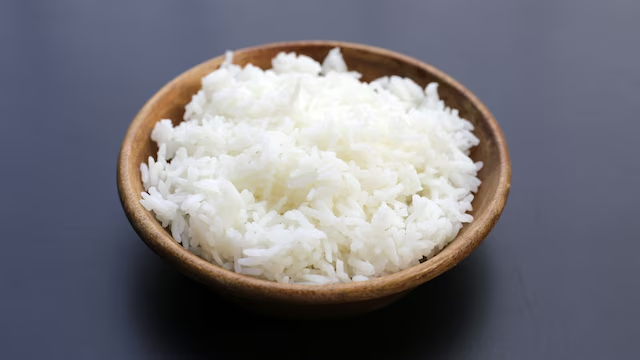
Sonachud Rice: Sonachud Rice comes from the Buxar and Rohtas districts of Bihar. It is valued for its aroma and is used in both everyday meals and festive dishes. It is recognised under the ODOP initiative. (Image: Canva)
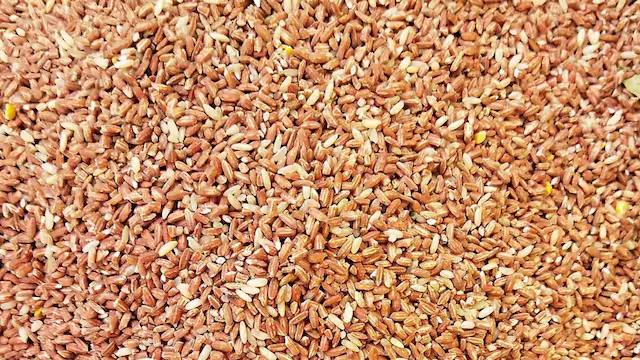
Laal Chawal: Laal Chawal is grown in Uttarkashi, Uttarakhand. This traditional red rice is known for its natural colour and slightly nutty flavour. It has both GI Tag and ODOP recognition. (Image: Wikimedia Commons)
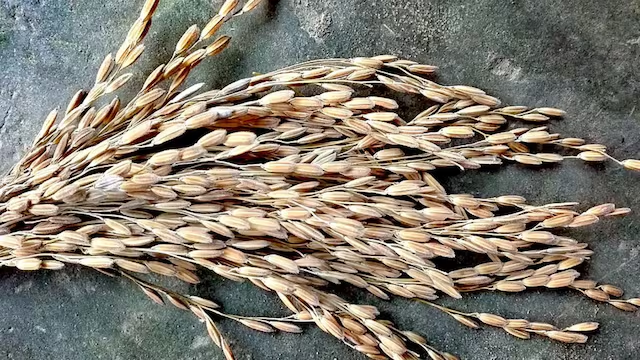
Joha Rice: Joha Rice is a traditional aromatic rice from Assam. It is often served during festivals and special occasions. The variety has received a GI Tag. (Image: Wikimedia Commons)
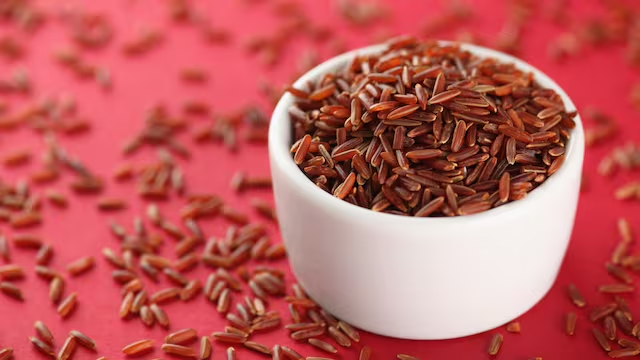
Navara Rice: Navara Rice is an ancient rice variety from Kerala. It has long been associated with traditional farming practices and Ayurvedic use. It is recognised with a GI Tag. (Image: Canva)
https://www.cnbctv18.com/photos/economy/six-indian-non-basmati-rice-varieties-gi-tag-odop-recognised-you-should-know-19959799-7.htmPublished Date: August 3, 2026



 READ
READ