Downloads
 Login
Login
 Register


Tags
PH rice imports to climb, but price-index tariff system could temper growth — USDA
By JON VIKTOR D. CABUENAS, GMA News
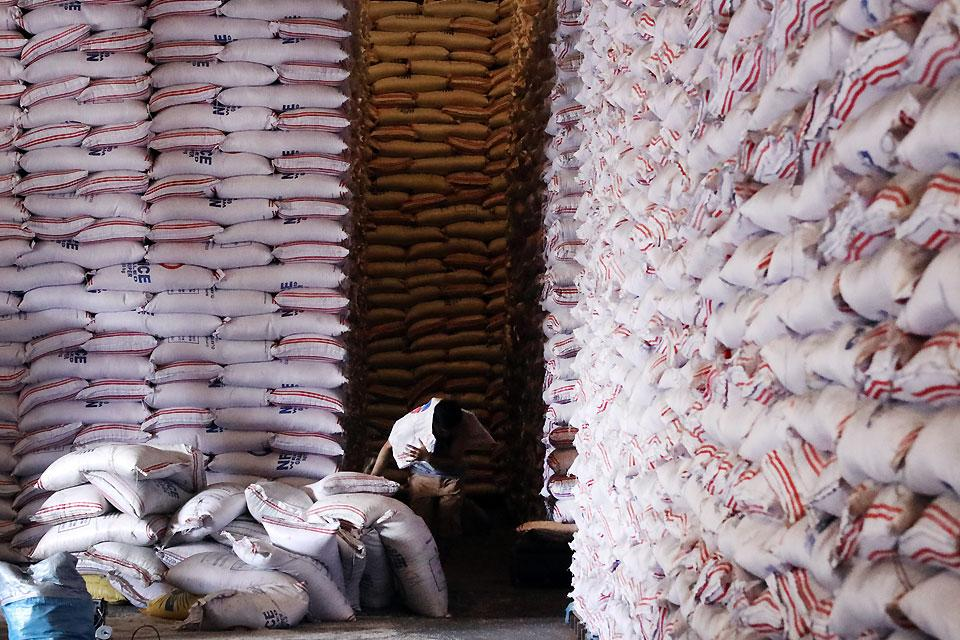
Philippine rice imports are expected to rise this year as local output lags behind demand, although the price-index tariff system could limit such growth, a United States Department of Agriculture (USDA) report said.
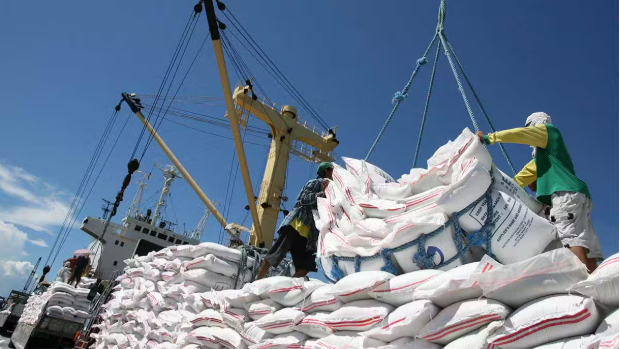
In its report “Philippines: Grain and Feed Annual” dated March 30, 2026, the USDA Foreign Agricultural Service in Manila said rice imports are projected to reach 5.1 million metric tons (MT) in marketing year 2026-2027, up 15.9% from 4.4 million MT a year earlier.
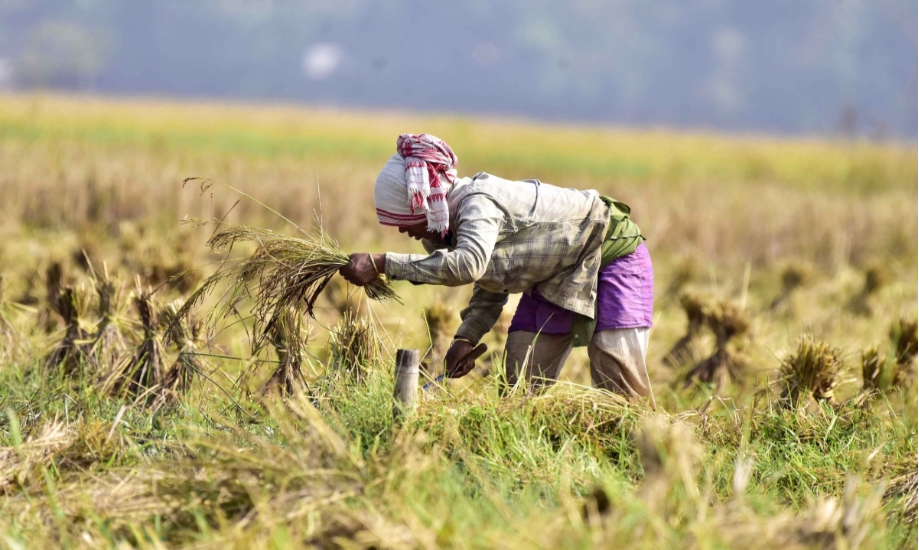
Local production of palay or unmilled rice is expected to post a marginal 0.4% growth to 19.68 million MT this marketing year, as higher input costs for chemical fertilizers and petroleum products are expected to offset government support for rice cultivation and favorable weather conditions.
Out of the palay production, based on a milling recovery rate of 63.0% reported by the Philippine Statistics Authority (PSA), this would translate to 12.398 million MT of actual rice consumed.
This falls short of the USDA’s projected rice consumption of 17.65 million MT, up 0.3% from the previous year, driven by population growth.
“Despite a forecast marginal increase in palay output and slight improvements in yields in MY 2026-2027, continued population growth will increase demand for staple food products, particularly rice, and keep overall consumption on an upward trend,” the USDA said.
“At the same time, the four-month rice import ban within MY 2025-2026 reduced the stocks available for carryover into MY 2026-2027, supporting Post’s assessment that the government and commercial importers and traders will rebuild stocks from domestic production and imports to manage supply and price risks,” it added.
President Ferdinand “Bongbong” Marcos Jr. ordered the rice import ban in August 2025 to stabilize the market and support local farmers. Initially set to last only until October, it was extended until year-end.
The Philippines this year also introduced a quarterly price-indexed tariff system, which adjusts import duties based on global prices, ranging from 15% to 35%. This allows for a five percentage point change for every 5% movement in international prices.
“Industry contacts note that basing tariff rates solely on international prices, rather than considering domestic demand, may inadvertently encourage market speculation, as readily available price information could prompt some actors to withhold stocks in anticipation of further price changes,” the USDA report read.
“Meanwhile, some stakeholders continue to advocate reinstating the 35% import tariff to provide greater protection for the local rice industry,” it added.
Marcos earlier this month also announced a P50 cap on the price of imported milled rice after the Department of Agriculture (DA) flagged “unreasonable” increases in prices, pointing to a supposed exploitation of the global oil shock situation amid the Middle East conflict.
For his part, Agriculture Secretary Francisco Tiu Laurel Jr. said the administration is looking to address higher production costs, particularly for fertilizer prices, amid the escalating armed conflict in the Middle East.
“Supply is not the main concern; rather, it is the upward pressure on global prices driven by logistics costs and market uncertainty,” he was quoted as saying in a statement released by the Department of Agriculture (DA).
“Actually, everything will be affected,” he added, referring to the impact of higher fertilizer prices on agricultural products, adding that higher transport expenses could increase food prices by around P2 to P5 per kilogram.
Citing 2025 data, the DA said about a fifth or 20% of the country’s imported urea-based fertilizers came from Qatar and Saudi Arabia, while the bulk were sourced from Brunei, Malaysia, China, and Vietnam. Ammonium sulfate fertilizers for the year were entirely sourced from China and Japan.
The DA has also been ramping up the use of alternatives such as liquid fertilizers, biofertilizers, and soil ameliorants to offset the higher cost of petroleum-based inputs.
“We have many strategies,” Tiu Laurel said, optimistic that proactive steps will keep supplies stable and protect Filipino consumers from sharper price spikes.—AOL, GMA News
https://www.gmanetwork.com/news/money/economy/982366/ph-rice-imports-usda/story/#google_vignettePublished Date: April 2, 2026


 READ
READ