Downloads
 Login
Login
 Register


Tags
Mozambique centralises rice, wheat imports under ICM amid sector concerns
The government justifies the move with the “need to create a transparent mechanism for the import of rice and wheat, and to consequently eliminate the illegal export of foreign currency.
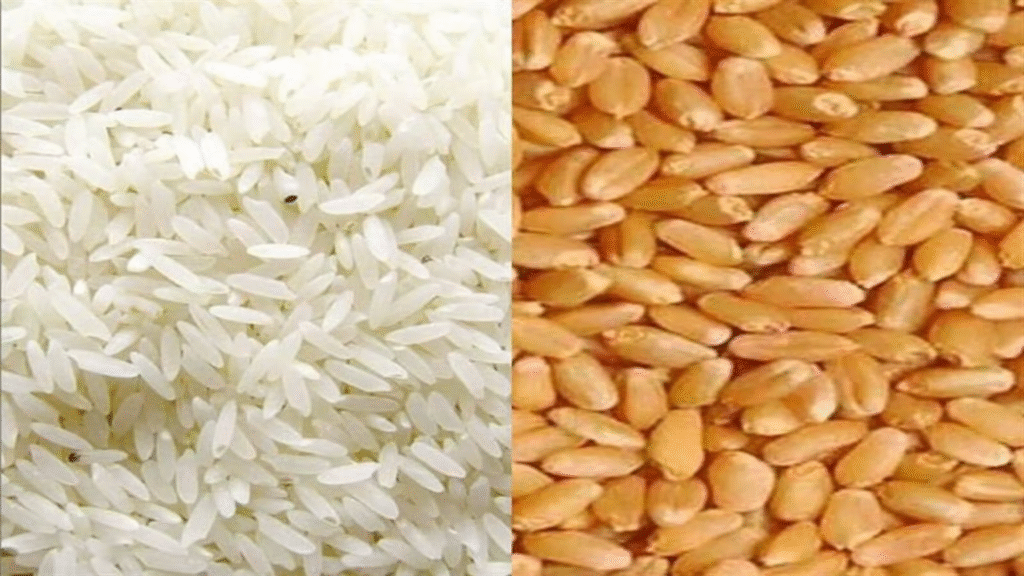
MOZAMBIQUE – The Mozambican government has formally assigned the Institute of Cereals of Mozambique (ICM) the mandate to manage imports of rice and wheat, a move aimed at tightening state control over staple food inflows and curbing what authorities describe as the illegal export of foreign currency through over-invoicing.
The decision is set out in Ministerial Decree No. 132/2025 from the Ministry of Economy, dated 31 December and signed by Economy Minister Basílio Muhate.
According to documents reviewed by Lusa, the measure is scheduled to take effect in phases, applying to rice imports from 1 February and to wheat imports from 1 May 2026.
In the decree, the government cites the ‘need to create a transparent mechanism for the import of rice and wheat, and to consequently eliminate the illegal export of foreign currency through over-invoicing and duplication of invoices.’
The measure is also intended to ensure domestic price stability, secure national supply, encourage local production, and strengthen the authority of the state.
Under the new framework, the ICM is appointed as a State agent with a mandate to conduct the cereal import process, specifically rice and wheat, while allowing for the participation of partners and other economic agents in line with existing laws.
The decree specifies that it is the ICM’s responsibility to make rice and wheat available, on a paid basis, to economic agents for sale on the domestic market.
In practice, this means that, until at least May, all economic operators will be required to source these cereals through the ICM.
The mechanism and operational procedures governing the imports will be approved by the minister responsible for foreign trade, with the stated objective of aligning the process with economic policy and state interests.
Rice and wheat were already included in December in a list of 16 products subject to temporary import quantity limits.
The list also covers poultry meat and offal, sugar, refined palm oil, bottled water and carbonated beverages, pasta, salt and sodium chloride, Portland cement, tiles, maize flour, beer, wooden and metal furniture, paper and cardboard products, non-alcoholic beverages, and maize grain.
Business groups warn over impact of centralised rice, wheat imports
The policy shift has triggered concern within Mozambique’s private sector.
In a statement issued this week, the Confederation of Economic Associations (CTA) said it convened an emergency meeting at the request of key operators in the rice and wheat value chains to assess the potential impact of the import centralisation.
Business representatives expressed deep concern about the viability of their operations, warning that restricting direct access to imported raw materials could undermine competitiveness, raise production costs, and ultimately push up consumer prices.
While acknowledging the importance of boosting national production, the CTA cautioned that, in the current context, the effective ban on direct imports of essential cereals could create barriers that might isolate the Mozambican market and lead to trade retaliation.
To address these risks, a specialised working group has been formed to engage with the government in the coming days to present the sector’s concerns and seek joint solutions that safeguard business sustainability and food security.
According to official data cited by Lusa, the country imported US$63.1 million worth of rice between January and March 2025, accounting for nearly 15% of total consumer goods imports during that period.
For the full year of 2024, rice imports reached a record US$441 million, up 38.8% from US$317.7 million in 2023, underscoring the country’s heavy reliance on external supplies of the staple.
As the new import regime comes into force, the balance between tighter state oversight, private sector participation, and the stability of cereal supply chains will be closely watched by millers, traders, and food processors across Mozambique.
https://millingmea.com/mozambique-centralises-rice-wheat-imports-under-icm-amid-sector-concerns/Published Date: January 15, 2026


 READ
READ