Downloads
 Login
Login
 Register


Tags
Mali steps up support for local rice as sector pushes for policy changes
Government purchases have started to reduce stock levels, but industry leaders say stronger trade policies and better processing remain key to securing the future of Malian rice.
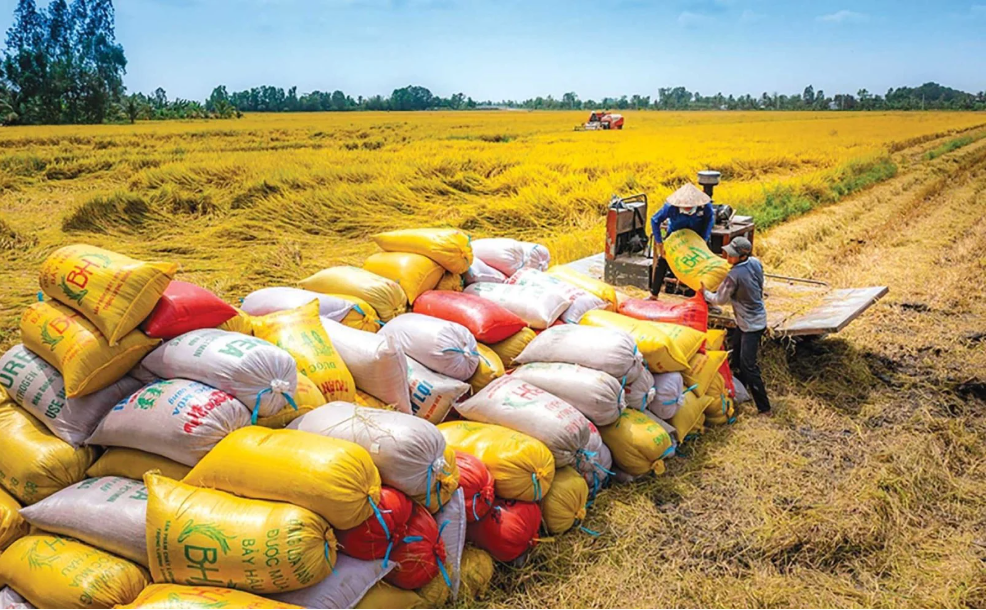
MALI – Mali has started buying 26,030 tonnes of unsold local rice, giving producers much needed market access after months of weak sales and rising competition from imported rice. The purchase programme also aims to strengthen food security while helping farmers prepare for the next production season.
Seydou Keïta, Executive Secretary of the Interprofession of the Rice Sector of Mali (IFRIZ M), said in an interview with Ecofin Agency that deliveries have already started in several production areas in partnership with the Office of Agricultural Products of Mali (OPAM).
“Deliveries have already started in several production areas. We chose to start with the most remote and hard to access areas compared to the large public storage centers,” Keïta said.
He added that about 9,000 tonnes have already moved from the Ségou region, while stocks from other regions continue to reach OPAM warehouses despite delays caused by limited truck availability.
The government agreed to buy rice at CFA400 (US$0.71) per kilogram, compared with market prices that had fallen below CFA300 (US$0.53) per kilogram in some production areas. According to Keïta, the higher purchase price has helped farmers repay part of their loans and improve cash flow after a difficult marketing season.
Keïta also called for stronger coordination between government agencies and industry groups when making decisions on rice imports.
“Quantities of rice were imported even though local production was high, which contributed to saturating the national market and making it more difficult to sell Malian rice,” he said.
He explained that IFRIZ M plans to introduce a monitoring system that will collect production, processing and trade data to help guide future import decisions. The organisation also wants public institutions such as hospitals, schools, prisons and the military to source rice through the national purchasing system so local supplies receive greater priority.
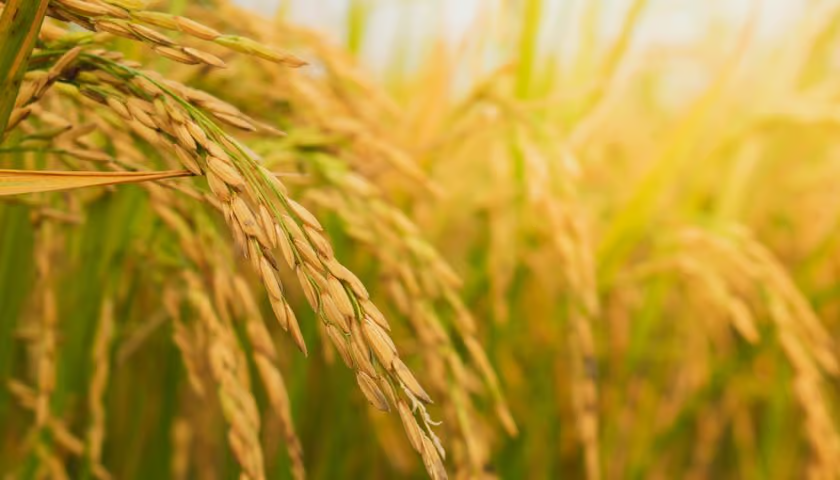
Mali currently produces about three million tonnes of paddy rice each year and has reached about 92% self sufficiency. Through its National Strategy for the Development of Rice Cultivation, the country aims to increase production to 5.5 million tonnes by 2035.
Keïta said improving processing remains one of the sector’s biggest needs because most rice still passes through small milling units that produce lower quality grain with limited sorting and packaging.
He also stressed the need to cut post harvest losses, improve processing equipment and review tax and tariff policies to help local rice compete with imports that often enter the market at lower prices because of tax exemptions and support in exporting countries.
“It is necessary to work on reducing production costs, improve the efficiency of processing units, and review tax and tariff policies so as not to systematically disadvantage domestic production compared to imports,” Keïta said.
https://millingmea.com/mali-steps-up-support-for-local-rice-as-sector-pushes-for-policy-changes/Published Date: July 24, 2026


 READ
READ