Downloads
 Login
Login
 Register


Tags
Mali steps in to buy unsold rice as West Africa faces growing supply pressure
Governments across the region step up support as local rice struggles against cheaper imports.
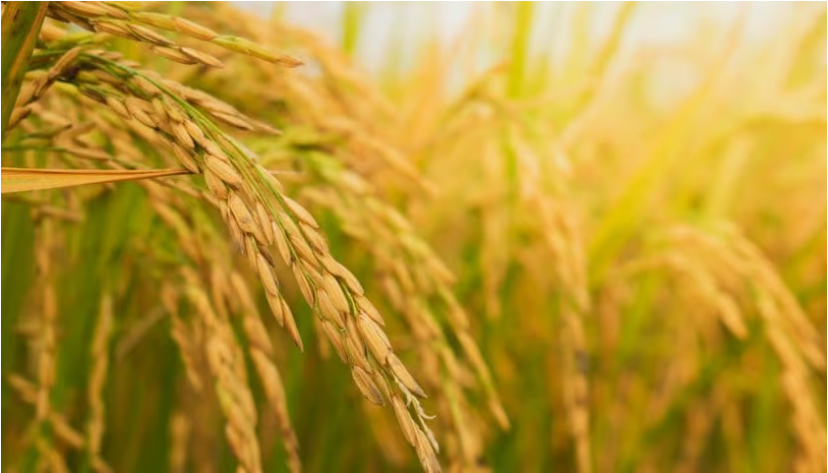
MALI – Mali has moved to buy thousands of tonnes of unsold rice from local producers, a step that shows the strain in West Africa’s rice market as imports continue to dominate.
The government approved the purchase of 26,030 tonnes of rice during a Council of Ministers meeting on April 23. Authorities plan to resell the stock to consumers at lower prices to ease pressure on households and support farmers.
The Office of Agricultural Products of Mali will run the process with state support to cover costs. In a statement, the government said, “The implementation of this operation will support the national rice sector, preserve the purchasing power of the population and ensure the stability of the market during the lean season.”
Local rice in Mali faces stiff competition from imports, which often cost less and attract buyers due to perceived quality. High production costs have made it harder for domestic rice to compete, leaving producers and processors with rising stock levels.
This situation reflects a wider pattern across West Africa. In Senegal, the government has introduced subsidies of 50 CFA francs per kilogram of local rice purchased, which is about $0.08 per kg. Authorities have also placed limits on imports and encouraged public institutions to buy local rice.
Even with these steps, producers still hold large unsold volumes. Reports from March 2026 show more than 50,000 tonnes of paddy and milled rice remained in storage in the Senegal River Valley.
Ghana faces an even tougher position. Around 1 million tonnes of paddy rice remained unsold as of November 2025, largely due to low priced imports, including some that enter the market outside formal channels. This has forced some processors to stop operations and has reduced farmer incomes.
In April 2026, President John Dramani Mahama announced a budget of 200 million cedis, about $18 million, for the National Food Storage Company. The agency will buy surplus maize and rice and supply them to public institutions such as schools, hospitals, and prisons to help manage supply.
Despite these efforts, the region continues to rely heavily on imports. Data from the FAO shows rice imports in West Africa rose by nearly 32 percent over five years, from 7.49 million tonnes in 2020 to 9.86 million tonnes in 2024.
This trend continues to put pressure on local producers and raises questions about long term food security in the region.
https://millingmea.com/mali-steps-in-to-buy-unsold-rice-as-west-africa-faces-growing-supply-pressure/Published Date: April 28, 2026


 READ
READ