Downloads
 Login
Login
 Register

Tags
Indigenous paddy varieties in decline
The Rising Nepal
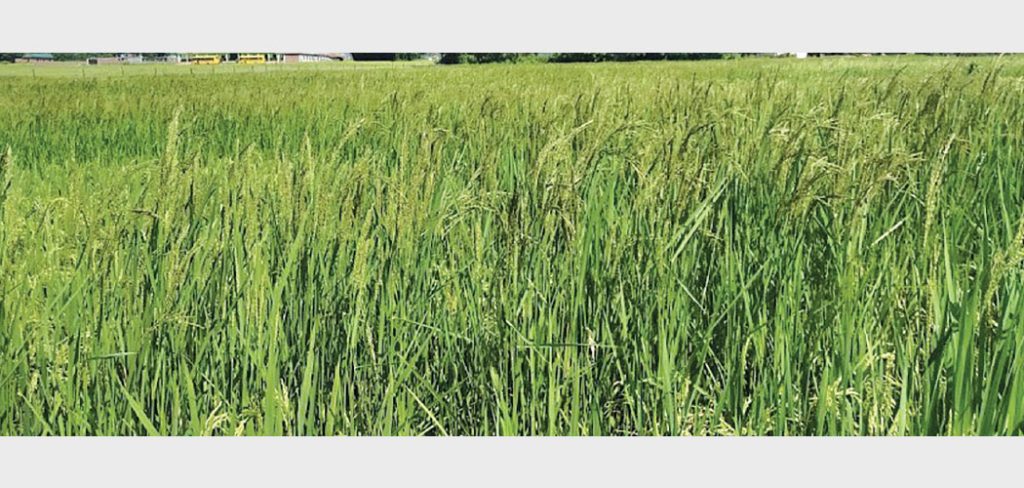
By Our Correspondent,Tulsipur, June 29: As farmers have started earning more from hybrid rice on less land, it has become difficult to protect indigenous rice. Farmers in Dang have been planting indigenous rice varieties such as simtharo, anadi and tilki only for household consumption. Although the provincial and local levels have introduced policies and programmes to protect indigenous rice, no results have been seen.
Farmers have been planting hybrid rice due to low yield of indigenous rice.
Toyaram Basnet of Tulsipur Sub-Metropolitan City-19 said that he used to plant tilki, simtharo, jhinuwa and anadi rice in the past.
He said that he started planting hybrid rice as the productivity of local varieties of paddy seed was low as the number of families increased.
However, Ganyari Agricultural Cooperative, located in Tulsipur Sub-metropolitan City-18 has been cultivating local variety of paddy- tilki- taking land in lease.
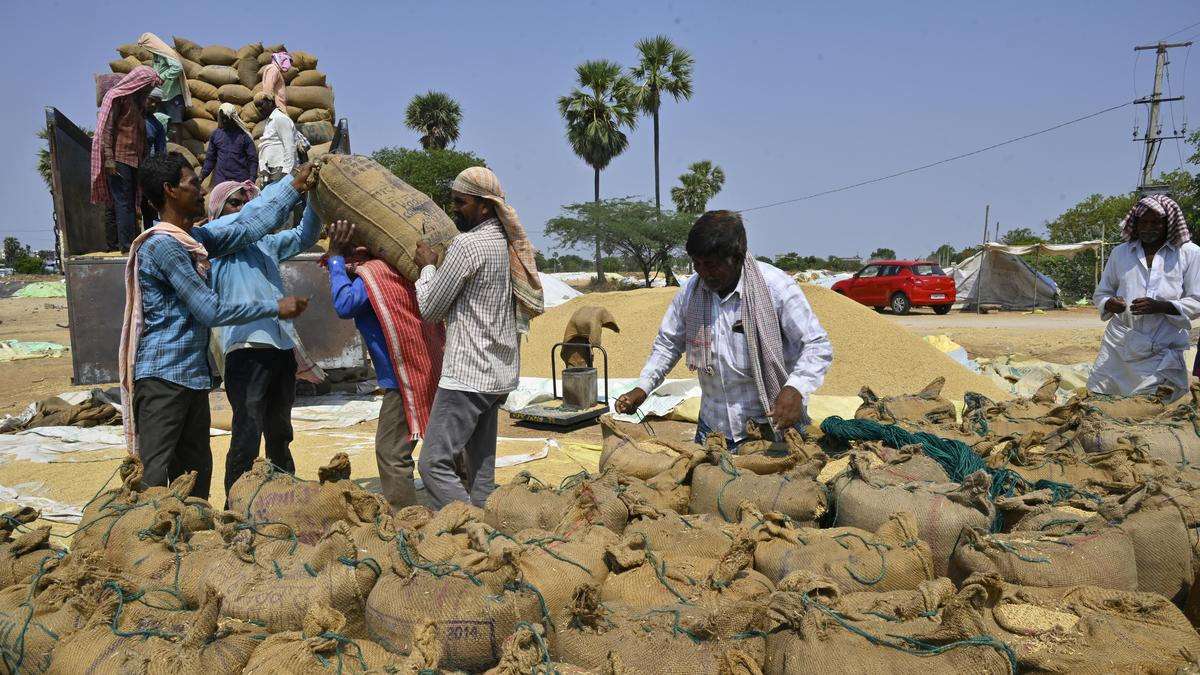
Chairman of Ganyari Agricultural Cooperative Laxmi Chaudhary said that it has been producing 55 quintals of rice annually.
She said that although the market price of tilki rice is Rs. 18,000 per quintal, it has been selling it for Rs. 16,000 per quintal through the cooperative.
Information Officer and Agricultural Economics Expert at the Agricultural Knowledge Centre, Prithviraj Lamichhane said that although land for rent and seeds were arranged for farmers in the past to promote indigenous rice, there is no programme this year.
Chairman of the Environmental Sustainable Development and Research Centre, which has been promoting indigenous rice, Dilli Bahadur Rawat said that 30 farmers have taken rice seeds through the seed planting programme to promote simtharo rice.
Farmer Baldev Acharya of Tulsipur Sub-metropolitan City-11, Hasnapur said that he produced around 10 muri simtharo rice last year by taking its seeds in barter. Farmer Durga Bahadur Khatri said that fertiliser and water are not required for indigenous rice crops as much as for hybrid rice.
He said that although productivity of indigenous rice is less, the market price is much more expensive than hybrid rice.
https://risingnepaldaily.com/news/64286Published Date: June 29, 2025


 READ
READ