Downloads
 Login
Login
 Register


Tags
India’s rice exporters navigate narrow path through Iran sanctions
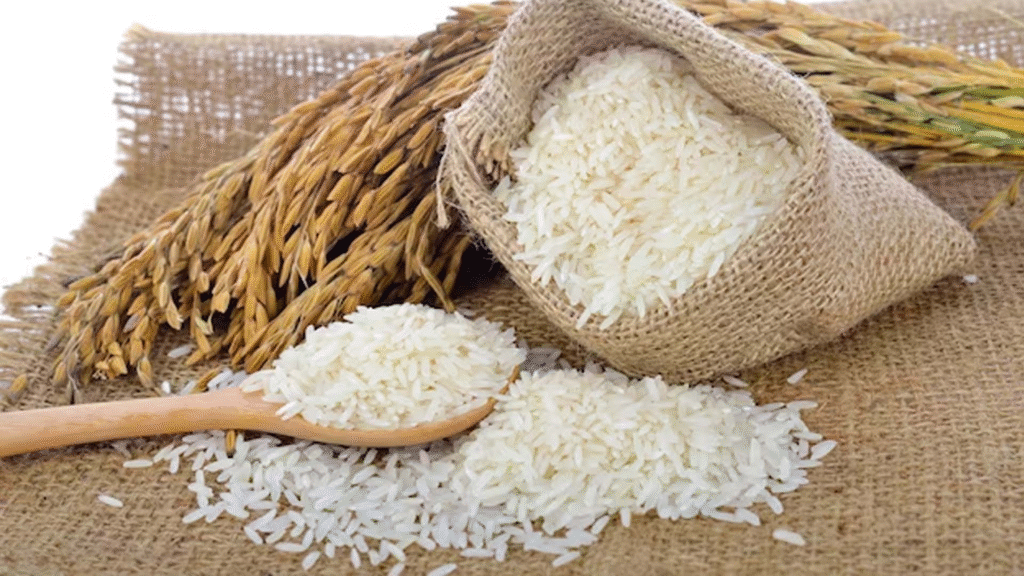
Iran accounted for nearly two-thirds of India’s $1.25 billion exports to the country in the last financial year through rice alone, making the market too important for exporters to abandon easily
India’s rice trade with Iran is emerging as a test of how far essential agricultural commerce can withstand escalating geopolitical and financial restrictions. Iran continues to be one of the most important overseas destinations for Indian rice, accounting for almost two-thirds of India’s $1.25 billion merchandise exports to the country in the financial year ended March. More than 1 million tonnes of rice were shipped from India to Iran during the year, representing an increase of around 17 per cent over the previous year.
The trade has so far demonstrated greater resilience than many other commercial sectors, largely because rice is considered an essential food commodity. Indian exporters believe humanitarian considerations could continue to provide a degree of protection for food shipments even as the US intensifies its sanctions regime against Tehran. However, the risks surrounding the trade are becoming increasingly complex.
The US has recently imposed sanctions on more than 60 entities and has stepped up warnings to countries and businesses maintaining commercial links with Iran. For Indian exporters, the immediate concern is less about demand for rice and more about whether payments, banking arrangements and shipping networks can continue to function without interruption.
Until now, exporters have managed to keep transactions moving by using financial and commercial channels outside Iran. Countries such as the UAE, Germany, China and Turkey have been used to facilitate payments and settlements, helping Indian businesses avoid direct dealings with Iranian banks. That system is now facing renewed pressure.
Reports of restrictions on trade and financial transactions involving Iran through the UAE have raised concerns among Indian exporters, particularly because Dubai has traditionally played a central role in facilitating trade settlements. A prolonged disruption could affect not only rice shipments but also Indian exports of tea and pharmaceuticals.
The stakes are particularly high for India’s basmati rice industry.
Iran has remained a major overseas market for premium Indian rice, with exports valued at $383.11 million during the first half of 2026, according to available trade data. The country ranked as India’s second-largest overseas destination for premium rice during the period. Yet the market has already shown signs of strain, with basmati rice exports to Iran falling by nearly 62 per cent year-on-year between April and June. Exporters are now examining alternative jurisdictions for payment settlements, with Turkey emerging as one of the possible options if transactions routed through the UAE remain difficult.
Shipping has added another layer of uncertainty. Disruptions linked to the Strait of Hormuz and wider logistical challenges have increased the complexity and cost of moving goods to Iran. For exporters, even when demand remains intact, delays in vessel movement, higher freight risks and uncertainty over payment clearance can make shipments commercially difficult.
The biggest immediate challenge is the ability of overseas buyers and intermediaries to complete payments. If UAE-based trading partners face difficulties in processing transactions connected to Iran, Indian exporters could encounter delays in receiving payments or may have to depend on more complicated settlement mechanisms. Industry participants are therefore seeking greater government support to protect a trade relationship that remains important for India’s agricultural economy. Continued access to the Iranian market could provide support to rice farmers, millers and exporters, particularly at a time when diversification of export destinations has become increasingly important.
While India’s trade with Iran is facing external pressure, the essential nature of food supplies gives rice a stronger case for continuity than many other categories of commerce. The long-term sustainability of the trade, however, may depend on whether exporters can secure reliable payment channels and shipping arrangements outside the increasingly restricted financial ecosystem surrounding Iran.
Telangana Shifts Rice Milling Focus Towards Raw Rice
The changing dynamics of India’s rice market are also influencing policy decisions within the country. In Telangana, the state government has directed the Civil Supplies Department to give priority to the processing and delivery of raw rice in response to requirements from the Food Corporation of India (FCI). The move reflects a broader shift in demand, with raw rice currently attracting greater national requirement than boiled rice.
Civil Supplies Commissioner M. Stephen Raveendra has instructed district-level officials to engage with rice millers and accelerate the clearance of pending raw rice deliveries. Officials have also been asked to closely monitor delays and ensure that millers fulfil their commitments within the required timelines. The objective is to bring Telangana’s rice processing operations in line with the Centre’s procurement and distribution requirements while ensuring that supplies move smoothly into the national food distribution system.
For rice millers, the directive could result in a greater operational emphasis on raw rice processing. Farmers may also see stronger interest in paddy varieties that are more suitable for the raw rice supply chain if the shift in demand continues. The immediate impact on consumers is likely to be limited. However, improved coordination between procurement agencies, millers and state authorities could help maintain the steady movement of rice through the public distribution and food supply system.
Taken together, the developments in Telangana and Iran highlight two very different pressures shaping India’s rice sector. At home, states are adjusting processing priorities to meet changing procurement requirements. Overseas, exporters are navigating sanctions, banking restrictions and shipping disruptions to preserve access to a strategically important market. For India’s rice industry, the challenge is no longer limited to producing enough grain. Increasingly, the sector must also manage where the rice is processed, how it is transported and, in the case of difficult export markets such as Iran, how payments can safely and reliably reach Indian exporters.
https://agrospectrumindia.com/news/24/34703/indias-rice-exporters-navigate-narrow-path-through-iran-sanctions.htmlPublished Date: August 28, 2026


 READ
READ