Downloads
 Login
Login
 Register


Tags
Impact of Middle East Crisis on Global Economy: From Oil to Rice
OV News Desk
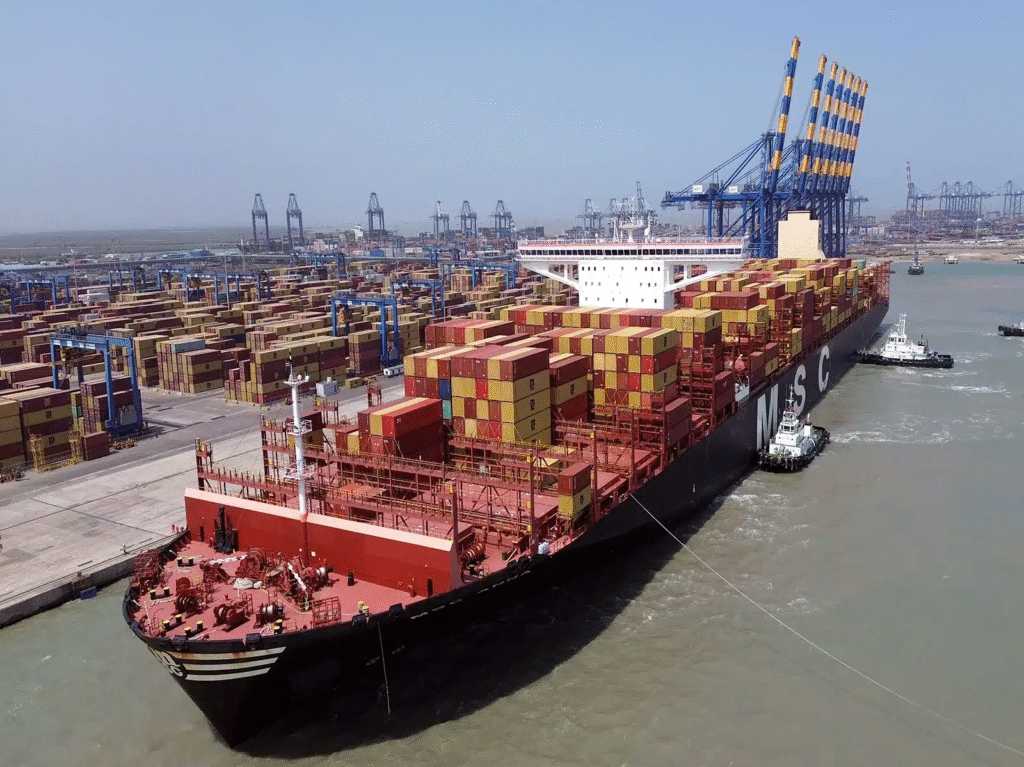
The ongoing conflict in the Middle East is beginning to exert significant pressure on the global economy, affecting trade flows, energy supplies, and food production. As tensions escalate, the repercussions are already visible, with delays in shipments and rising prices for essential commodities. Economists warn that the extent of the economic damage will largely depend on the duration of the conflict, which has already disrupted markets that were still recovering from previous trade challenges.
Rising Energy Prices
Energy markets are facing heightened risks due to the conflict, particularly concerning supply disruptions. Brent crude, the global oil benchmark, has surged to its highest levels in over 18 months, raising alarms about potential interruptions in the Strait of Hormuz. This critical waterway, which connects Iran and Oman, is a vital route for global energy shipments, with approximately 20% of the world’s daily oil and liquefied natural gas production passing through it. If access to this corridor is compromised, the consequences could be dire. Goldman Sachs has projected that European natural gas prices could more than double if shipments through the strait are halted for an extended period. Such increases in energy costs are likely to contribute to broader inflationary pressures across various economies. In Europe, for instance, inflation could rise significantly, impacting economic growth. Already, countries like Germany and the United Kingdom are witnessing sharp increases in fuel prices, while the United States has reported its highest petrol prices in nearly a year.
Greater Vulnerability for Asian Economies
Asian economies are particularly susceptible to the energy shocks stemming from the conflict. A significant portion of crude oil and liquefied natural gas transported through the Strait of Hormuz is destined for Asia, with China being one of the largest consumers. The timing of this conflict is critical for China, which has recently set its lowest economic growth target in decades. Analysts from Capital Economics have indicated that the conflict could exacerbate inflation across Asia, predicting an increase of around half a percentage point in many countries if oil prices remain elevated. This situation poses a serious challenge for Asian economies, which are already grappling with various economic pressures.
Disruption to Exports and Global Trade
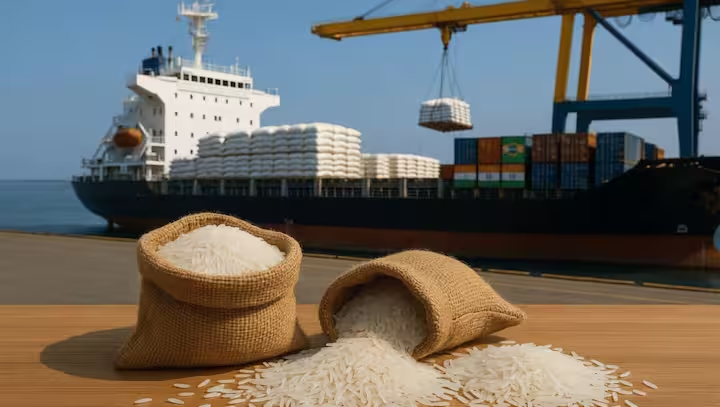
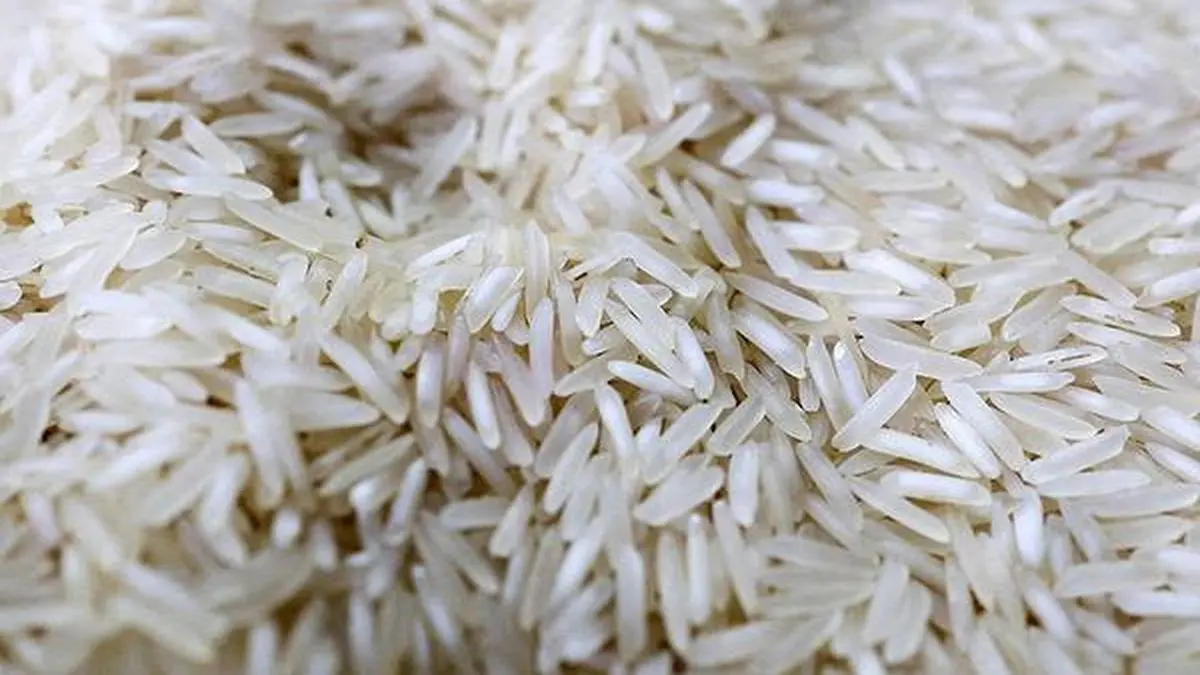
The conflict is also beginning to disrupt global trade flows, with shipping routes in the Middle East facing significant challenges. India, for example, is experiencing delays in the export of over 400,000 metric tons of basmati rice, as shipping routes have been compromised. The Middle East is a crucial market for Indian basmati rice, accounting for approximately 75% of its annual exports. Experts warn that if the conflict persists, exporters in India and China could be severely impacted, further straining global trade networks that are already under pressure from previous tariff disputes and disruptions.
Pressure on Fertilizer Supply and Food Production
Another critical concern arising from the conflict is its impact on fertilizer supplies, which are essential for global food production. The Strait of Hormuz is vital for the fertilizer trade, with around one-third of the world’s urea exports passing through this route. Svein Tore Holsether, CEO of Yara International, emphasized the importance of this corridor for food production, noting that significant volumes of raw materials used in fertilizer manufacturing also transit through the strait. As a result, prices for fertilizers have already begun to rise sharply, with Egyptian urea prices increasing by 35% in just one week. This surge in costs could have far-reaching implications for food production globally, as nearly half of the world’s food supply relies on fertilizers.
https://observervoice.com/impact-of-middle-east-crisis-on-global-economy-from-oil-to-rice-189664/Published Date: March 9, 2026


 READ
READ