Downloads
 Login
Login
 Register


Tags
DA proposes ₱50 price cap on imported rice amid rising freight costs
By Dexter Barro II
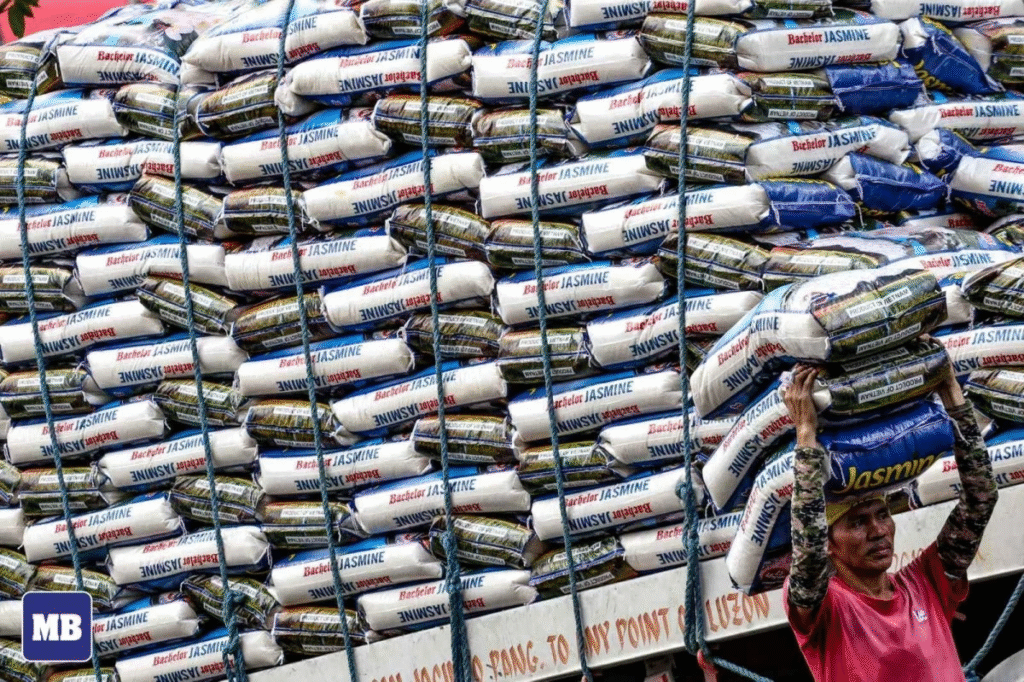
The Department of Agriculture (DA) is proposing the imposition of a price cap on imported rice set at ₱50 per kilo as prices of the household staple continue to rise due to supply disruptions fueled by the war in the Middle East.
Agriculture Secretary Francisco Tiu Laurel said he is proposing to the executive branch the implementation of a price limit to temper price hikes on imported milled rice that is now reaching ₱60 to ₱65 per kilo in certain areas.
“The imported rice should be at a maximum of ₱48 to ₱50 [per kilo] in this situation,” he said, noting that exceeding such prices is considered profiteering.
Rice prices have marginally increased in recent weeks since the war in the Middle East broke out in late February, which has been pushing up freight costs.
Shipments from Vietnam, the country’s top rice supplier, have doubled their freight costs from $20 per metric ton (MT) to $40 per MT due to higher fuel prices.
Based on data from the Bureau of Plant Industry (BPI), Vietnam has already shipped 751,445 MT, or nearly 87 percent of the country’s total import volume of 865,107 MT as of March 5.
Despite the country’s reliance on imports, Tiu Laurel said the DA will not implement a maximum suggested retail price (MSRP) to curb price increases, as retailers may not adhere to the agency’s recommendation amid ongoing volatility.
Instead, he said the agency is looking to impose a new price cap that would be “enforceable” as it would mandate compliance among retailers.
“I’m having my legal team go through it and consulting other departments on this possible price cap,” said Tiu Laurel.
To ensure that farmgate prices of unmilled rice, or palay, would not be directly affected, the DA is proposing to set the price limit for imported well-milled rice at ₱50 per kilo.
Regarding local rice, Tiu Laurel said high prices for the commodity are more manageable, as they would mean additional earnings for local farmers.
He said the DA may still consider an MSRP or a price cap on local rice, but only after the harvest season ends next month.
As another measure to keep prices low, the DA plans to ramp up its efforts to buy rice from local importers and sell it for between ₱45 and ₱48 per kilo, which began last month.
Tiu Laurel said the agency plans to roll out an expanded version of this initiative in Cebu City, where imported rice has been priced well above ₱60 per kilo.
“If we need to intervene, we’ll import and sell it in Cebu at ₱45 to ₱48 per kilo. We’ll do it, as long as it’s legally bound and legally possible,” he said.
The secretary said the DA is open to undertaking the initiative in other major cities with higher rice prices, as long as it is “allowed to do so by the lawmakers and the public.”
Meanwhile, the agency is also working on expanding the government’s ₱20-per-kilo rice program to help temper prices.
Tiu Laurel said that rice stocks for this program remain adequate, noting that the National Food Authority (NFA) is continuously milling palay to replenish supply.
At present, registered beneficiaries are allowed to purchase up to 10 kilograms of rice per day to ensure fairness and prevent hoarding.
https://mb.com.ph/2026/03/16/da-proposes-50-price-cap-on-imported-rice-amid-rising-freight-costsPublished Date: March 16, 2026


 READ
READ