Downloads
 Login
Login
 Register


Tags
Arsenic remains a persistent challenge for the rice industry
Lea Mercado
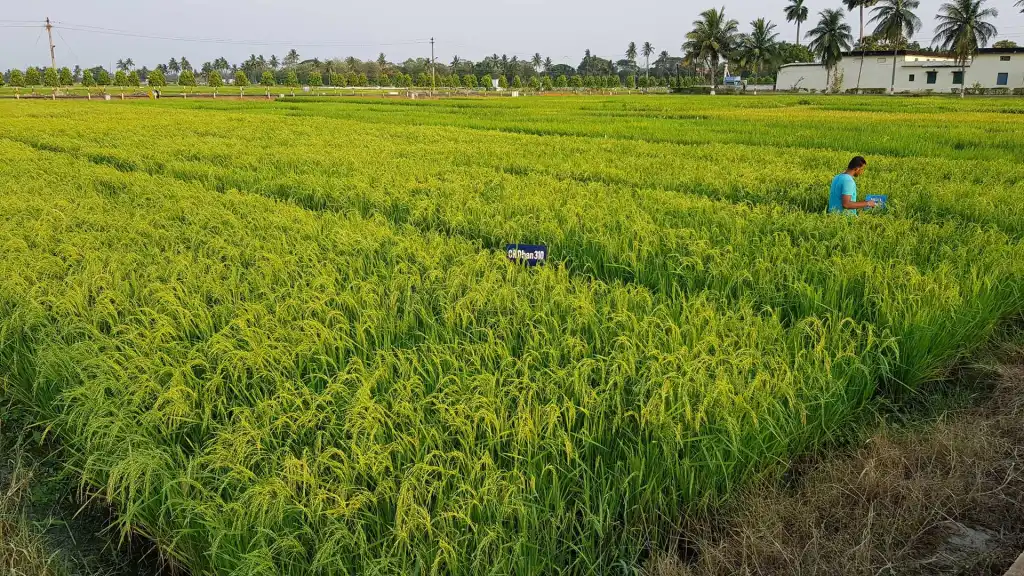
Rice feeds people across the world. It’s considered a staple ingredient, extremely versatile and widely used in many diets. Overindulging, however, can expose consumers to notable levels of inorganic arsenic, a carcinogen.
In 2012, Consumer Reports first tested more than 200 rice products for heavy metals and found “significant levels of inorganic arsenic,” as well as organic arsenic, a different, non-carcinogenic form. In a study published in July of this year, researchers tested products bought in 2025 and found that more than a decade later, arsenic remains a persistent problem for an industry that has long known about its dangers.
“In 42 percent of the products, the average inorganic arsenic levels were high enough that an adult eating just one serving a day over time would have a significantly increased risk for skin cancer, bladder cancer, and type 2 diabetes,” James E. Rogers, director of food safety at Consumer Reports, said.
How does arsenic get into food?
Arsenic occurs in various stages of the food production supply chain. Depending on the geography of where food is grown, raised or processed, arsenic levels vary. According to the Food and Drug Administration, arsenic “occurs in certain soils and rocks and where arsenic-containing pesticides were once used on food crops or from the current use of those pesticides on non-food crops, and pollution from mining, fracking, and coal-fired power plants.” The agency monitors levels of arsenic in groundwater, dietary supplements and cosmetics, as well.
If levels rise to a potentially harmful extent, the FDA works with manufacturers to resolve the issue or remove the food from the market.
How harmful arsenic is depends on the consumer, their age and how much exposure they’ve had to the metal. Children and infants are particularly vulnerable to arsenic as their brain is actively developing. Exposure has been associated with learning and behavioral difficulties and lower IQ. For adults, inorganic arsenic can result in various types of cancer and skin lesions, and in high enough doses, it can be lethal.
What the tests found
Consumer Reports tested for metals across 52 different rice products. Out of 142 individual samples, arsenic was present in all of them, in addition to cadmium and mercury. Only 66 samples contained lead.
Although there is no federal standard for arsenic in rice, the FDA does have an “action level” of 100 parts per billion (ppb) for inorganic arsenic in infant rice cereals. If products exceed this threshold, the FDA can take enforcement steps. Seventeen of the samples Consumer Reports analyzed averaged 100 ppb or higher.
The levels also varied across rice types. The report found “brown varieties consistently had higher levels of inorganic arsenic than white varieties.” Basmati and sushi rice had the lowest levels on average, while jasmine had more. Long- and short-grain rice and parboiled rice tied in having the highest levels among the samples.
Reducing exposure
In a 2014 study, Consumer Reports found that “basmati rice from California, India, and Pakistan, along with sushi rice from the U.S., had the least inorganic arsenic.” Rice grown in the South Central U.S., however, had higher levels, likely because sandier soils contain more arsenic than clay, which is more prevalent in areas like California.
Additionally, Consumer Reports suggests limiting overall rice consumption. Their simplified guidance:
For lower‑arsenic rice — white basmati from California, India, or Pakistan, or sushi rice: Up to five servings per week for adults, about three servings for children.
All other rice types: Up to three servings per week for adults, about one serving for children.
There are also cooking methods to reduce exposure. Consumer Reports suggests the parboiling and absorption method: Add rice to boiling water, cook for 5 minutes, drain, then finish cooking in fresh water after a 30‑minute soak.
https://san.com/cc/arsenic-remains-a-persistent-challenge-for-the-rice-industry/Published Date: July 13, 2026


 READ
READ