Downloads
 Login
 Register

Tags
Meet Sallah: A “Beautiful” New Jasmine Rice Variety
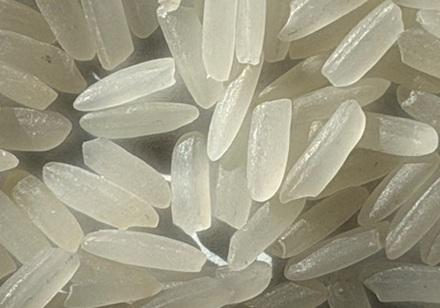
ARS researchers are giving America’s rice farmers an exciting new product to grow in their fields. Meet Sallah, a mid-season conventional long grain rice variety with commercially acceptable grain and milling yields, low chalkiness, and translucent, slender grains. Sallah is similar to Thai Jasmine in aroma with medium grain cooking quality and has strong resistance to two major diseases in the United States that reduce rice crops: rice blast disease and sheath blight.
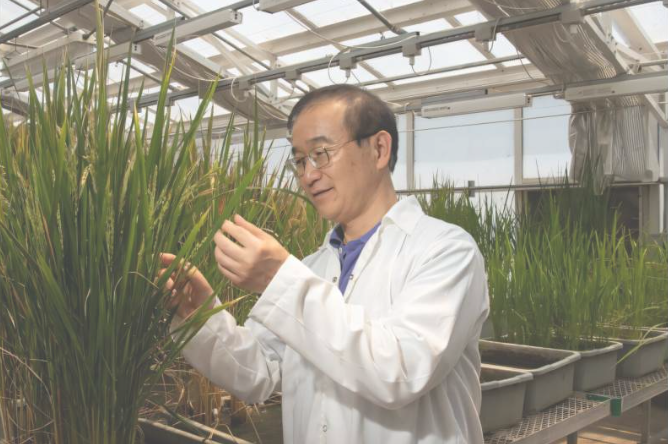
“Sallah is one of the few elite long grain aromatic rice varieties that will be available to U.S. growers,” said Yulin Jia, Research Leader at the Dale Bumpers National Rice Research Center in Stuttgart, AR, where the rice variety was developed.
Sallah could be a game changer for the $4 billion U.S. rice industry. The United States has been one of the top exporting countries for rice over the past 30 years, and demand for Jasmine and Basmati rice varieties has increased globally as well as domestically. Sallah has great potential for growing in many of the country’s top rice producing states, including Arkansas, Louisiana, and Texas.
“Traditional long-grain Jasmine rice cooks up soft, slightly sticky, and highly fragrant,” said Jia. “However, medium-grain varieties are increasingly preferred by domestic consumers for rice bowls, stir-fries, and sushi-style dishes because of their enhanced clingy and soft qualities.”
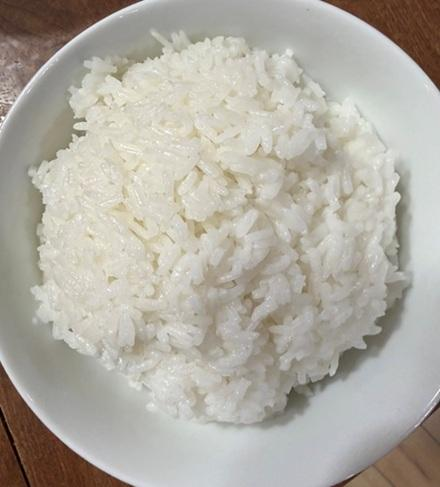
Sallah was brought to the Aromatic Rice Symposium in 2026, and the feedback was positive. Sallah was described as soft, with an aroma similar to “popcorn without butter,” and a pleasant, lingering quality.
“Growers want these qualities as well, but with tolerance to difficult diseases like rice blast and sheath blight,” said Jia.
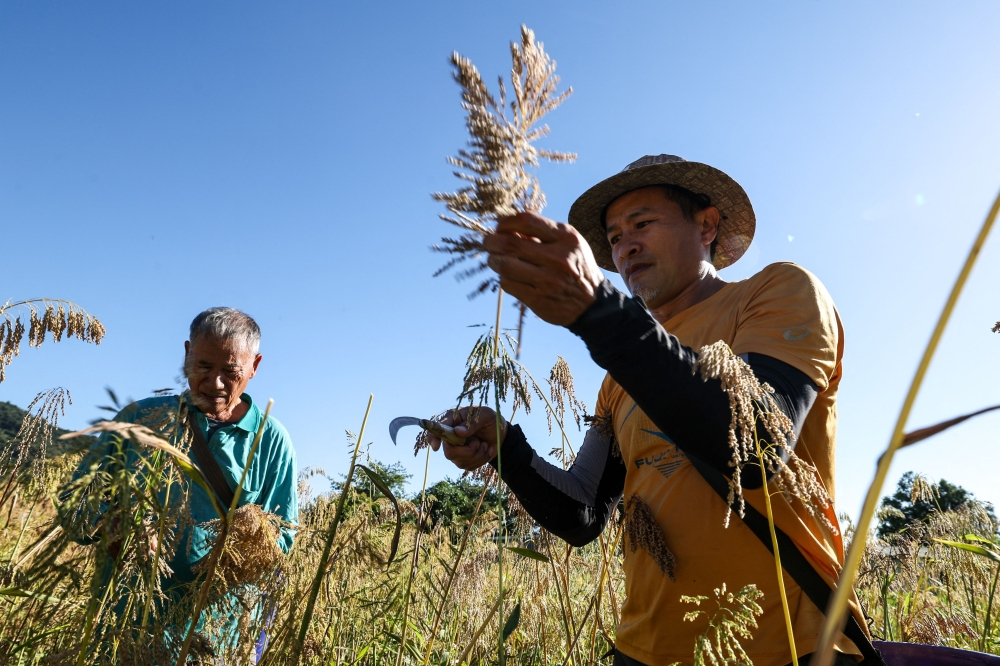
Sallah has many benefits for both growers and consumers. In addition to its healthy yields and disease resistance, Sallah also has high ratoon yield potential. Ratoon is a cost-effective cultivation method where a second crop regenerates from the ratoon, or stubble, that is left in the field after the main rice harvest. Ratooning requires no new seeds and can reduce fertilizer and labor costs for farmers.
For consumers, Sallah is a beautiful translucent rice, it holds firm, and has high quality flavor. It also has the same health benefits as typical Jasmine rice varieties, including immune support, antioxidants, essential vitamins, and digestive health.
“If you eat this rice, you will never eat any other white,” said Jia. “It’s an absolute beautiful rice. I’ve eaten rice for over 60 years, and Sallah is perfect.”
ARS is currently working with the U.S. rice industry to make Sallah commercially available to growers in 2027. – By Todd Silver, ARS Office of Communications.
https://scientificdiscoveries.ars.usda.gov/tellus/stories/articles/meet-sallah-beautiful-new-jasmine-rice-varietyPublished Date: November 17, 2026


 READ