Downloads
 Login
 Register


Tags
Japan’s Tokyo Core CPI Slows to 2.6% in October as Rice Prices Fall 31% and Water Charges Flatline
Japan’s Ministry of Internal Affairs and Communications reported that the October Tokyo metropolitan area consumer price index, excluding fresh food (core CPI), rose 2.6% year-on-year, slowing from 2.7% in the previous month. Two special factors pushed the index down: rice prices plunged 31.3%, the largest decline since 1971, and water charges swung from a 65.6% increase in the previous month to flat. Meanwhile, energy prices reversed to a 2.2% rise as government subsidies were scaled back, with electricity up 1.7% and city gas up 4.9%. Household consumables rose 10.4% on the Middle East situation. The overall index including fresh food rose 2.8% as leafy vegetable prices surged.
The Ministry of Internal Affairs and Communications on Oct. 30 released the October Tokyo metropolitan area consumer price index (2025=100, mid-month preliminary reading), with the core CPI excluding fresh food at 103.3, up 2.6% year-on-year. The pace of increase narrowed slightly from 2.7% in the previous month but held in the 2% range for a second straight month. The result matched the median forecast of private research firms (2.6%), landing in line with market expectations.
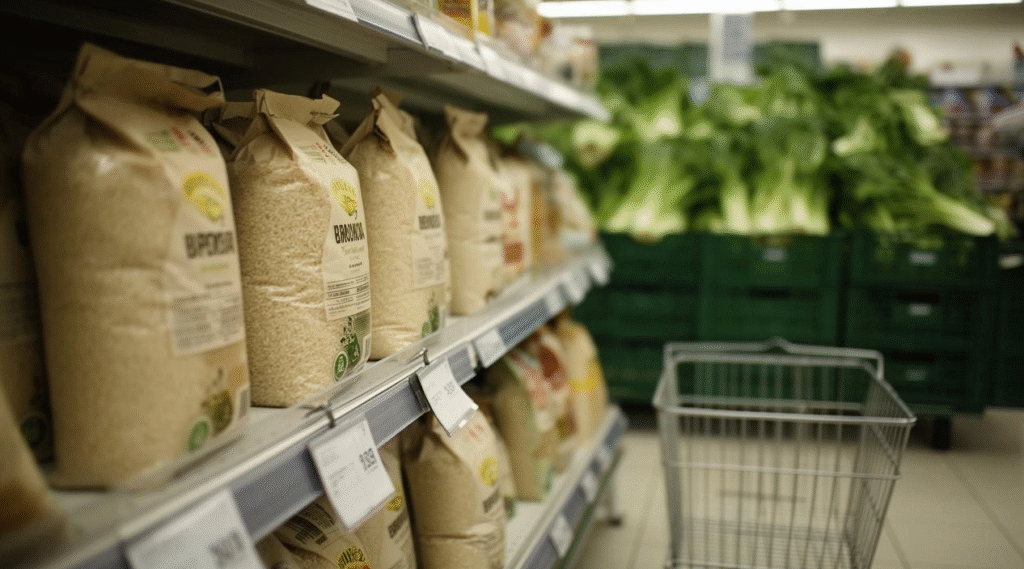
Two special factors weighed on the core CPI this time: rice and water charges. Food excluding fresh food rose 3.0%, slowing from 3.6% in the previous month. Within that category, rice plunged 31.3%, logging the largest decline since January 1971. The drop reflects a strong backlash from the high price level a year earlier.
Water charges were flat year-on-year, with growth shrinking sharply to zero from a 65.6% increase in the previous month. The one-month gap between last year and this year in the end date of the Tokyo metropolitan government’s program to waive basic water charges showed up as a statistical distortion.
Meanwhile, upward pressures were also conspicuous. Energy rose 2.2%, reversing from a 1.9% decline in the previous month. In addition to the government’s reduction of subsidies for electricity and city gas charges, higher raw fuel prices fed through. Electricity charges rose 1.7% and city gas charges rose 4.9%, both turning positive year-on-year.
Higher prices for petroleum-related products accompanying the worsening Middle East situation spilled over into household consumables. That category rose 10.4%, with plastic bags up 27.1% and bleach up 23.4%, both marking sharp increases of more than 20%.
The overall index including fresh food, which is closer to how households experience prices, rose 2.8%, with growth expanding slightly from 2.7% in the previous month. Prolonged rain and insufficient sunshine sent leafy vegetable prices soaring, and fresh food rose 8.6%, a large increase that weighed on the index. The core-core CPI excluding fresh food and energy rose 2.6%, with growth narrowing from 2.9% in the previous month.
| Item | October | Previous month |
|---|---|---|
| Core CPI (excl. fresh food) | +2.6% | +2.7% |
| Overall (incl. fresh food) | +2.8% | +2.7% |
| Core-core CPI | +2.6% | +2.9% |
| Food excl. fresh food | +3.0% | +3.6% |
| Rice | -31.3% | ― |
| Energy | +2.2% | -1.9% |
| Electricity charges | +1.7% | ― |
| City gas charges | +4.9% | ― |
| Water charges | ±0% | +65.6% |
| Fresh food | +8.6% | ― |
| Household consumables | +10.4% | ― |
Note: The previous-month comparison refers to the year-on-year growth rate. The previous month’s figure for rice is not stated in the source material.
Looking at the breakdown of the core CPI, underlying inflationary pressure remains persistent. One-off factors — the sharp drop in rice prices and the flat reading for water charges — are pushing down the overall figure, and excluding these, the upward trend continues. The reversal to rising energy prices reflects the direct impact of the policy factor of reduced subsidies. The more than 20% increase in household consumables heightens the sense of burden on households through everyday shopping.
The surge in leafy vegetable prices is largely weather-driven and may settle as crop conditions recover. However, when the backlash decline in rice prices will fade is a point that will shape the inflation outlook into next year. For the Bank of Japan in assessing price trends, the focus will likely be on discerning the underlying trend excluding special factors.
https://finance.biggo.com/news/734c7964-5ae9-40d3-a994-aaace3583954Published Date: October 30, 2026


 READ