Downloads
 Login
 Register


Tags
Japan’s agriculture ministry weighs buying back another 100,000 tons of government stockpiled rice in the new year as inventories swell
Japan’s Ministry of Agriculture, Forestry and Fisheries is moving toward buying back an additional 100,000 tons of government stockpiled rice released in 2025, with the purchase likely to come early in the new year. The move reflects excessive buildup of private rice inventories, and the ministry believes the buyback will not cause a supply shortage. Timing will be decided after assessing supply and demand, including harvest volumes. The ministry is also considering setting a production guideline of 6.93 million tons for 2027 table rice, a sharp cut from an estimated 2026 harvest of about 7.4 million tons. It plans to encourage farmers to make up the shortfall in table rice by growing more feed and processing rice.
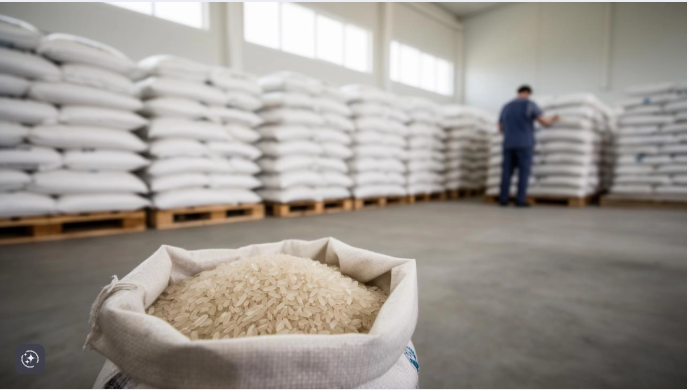
The Ministry of Agriculture, Forestry and Fisheries is making arrangements to buy back roughly 100,000 tons of government stockpiled rice released in 2025 as early as the new year, sources said on the 27th. The move comes as private rice inventories have piled up excessively, and the ministry sees no risk that the buyback would trigger a supply shortage. The timing will be decided after assessing supply and demand conditions, including harvest volumes as of October 25, when the effects of prolonged rain are expected to show.
The Japanese government has released about 590,000 tons of stockpiled rice since March 2024 in response to a rice shortage. Subsequently, 2025 production exceeded demand, pushing private inventories to a record high and prompting agricultural industry figures to call for an early buyback of stockpiled rice. In September, the ministry began buyback procedures for 210,000 tons, and the latest 100,000 tons would come on top of that.
At the same time, it emerged that the ministry is considering a production guideline of 6.93 million tons for 2027 table rice. With the estimated 2026 harvest at about 7.4 million tons, that would represent a substantial cut. The guideline is not binding, but if production cuts proceed, the volume supplied to the market would decline and could affect rice prices. Instead of reducing table rice, the ministry plans to encourage farmers to increase production of feed rice and processing rice, where supply falls short of demand.
| Item | Volume / Details |
|---|---|
| Government stockpiled rice releases (since March 2024) | About 590,000 tons |
| Buyback procedures begun (September 2025) | 210,000 tons |
| Proposed additional buyback (early next year) | About 100,000 tons |
| Estimated 2026 harvest | About 7.4 million tons |
| 2027 production guideline (under consideration) | 6.93 million tons |
Note: Volumes are based on ministry publications and interviews with sources.
Rice has shifted rapidly from a period of supply shortages and soaring prices to a phase in which production outpaces demand and inventories are glutted. The buyback is positioned as a measure to simultaneously reduce excess inventories and restore stockpiles. The table rice production cut, meanwhile, is aimed at correcting supply-demand distortions by encouraging a shift to planting feed and processing rice.
Market participants will focus on how much the production guideline is reflected in actual planting. Since the guideline is not binding, supply volumes can vary depending on producers’ decisions. Once the specific timing and volume of the buyback are finalized, it could affect rice market prices and procurement plans for related businesses.
https://finance.biggo.com/news/4fec7841-f589-45c7-994a-61decd8d81ddPublished Date: October 27, 2026


 READ