Downloads
 Login
 Register

Tags
El Nino 2026-2027 Threatens Malaysia’s Palm Oil Output, Food Prices And Power Supply, BMI
Malaysia and other Southeast Asian economies face heightened risks of drought, food inflation and electricity supply disruptions as the 2026–2027 El Niño weather cycle develops, with palm oil, rice and coffee production among the agricultural sectors most exposed, according to BMI, a Fitch Solutions company.
In its latest report, El Niño 2026/27: Southern Africa And Southeast Asia Face The Sharpest Rise In Drought, Heat And Power Risks, dated Oct 23, BMI warned that prolonged dry conditions could disrupt agricultural output, raise food prices and increase electricity demand across vulnerable emerging markets.
The research house identified Southeast Asia, Southern Africa, Central America and northern South America as regions facing the sharpest increase in agricultural drought exposure.
Its analysis of previous strong El Niño episodes found that the proportion of cropland exposed to high-intensity drought increased by an average of 11 to 12 percentage points in these regions.
For Malaysia, the principal concerns include the potential impact of reduced rainfall on palm oil production, higher food prices and additional pressure on electricity systems.
BMI said Southeast Asia’s agricultural sector could experience significant disruption as El Niño increases the likelihood of prolonged dry spells.
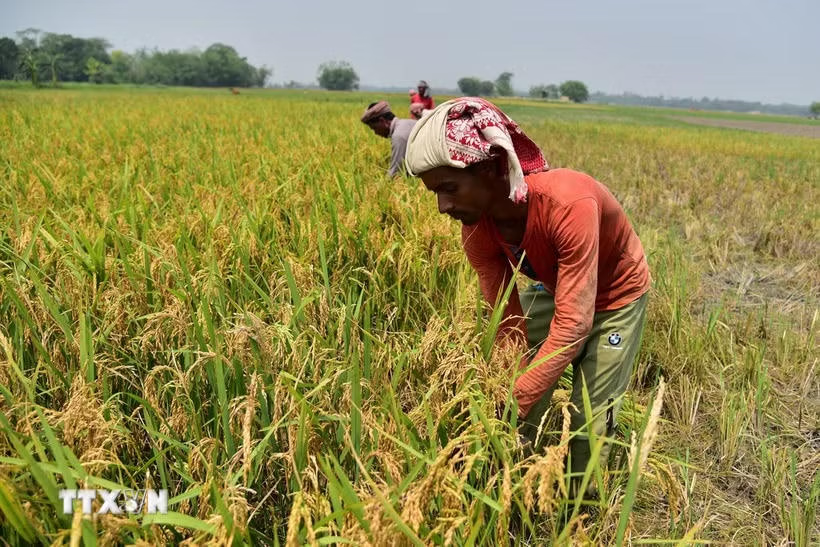
The crops most vulnerable include rice, sugar, palm oil and coffee, particularly in Malaysia, Indonesia, Thailand, Vietnam and the Philippines.
Based on previous El Niño events, BMI estimated that approximately 90 million additional people in Southeast Asia were exposed to drought conditions, making the region particularly vulnerable in terms of population impact.
For Malaysia and Indonesia, weaker rainfall could threaten oil palm cultivation and production, potentially affecting crude palm oil supplies.
However, BMI did not provide a specific forecast for the reduction in Malaysian palm oil production.
The research house also highlighted the relatively limited agricultural inventory buffers across Southeast Asia.
Indonesia’s palm oil stocks were estimated at just 9% of annual use, while Vietnam’s robusta coffee inventories stood at approximately 2%.
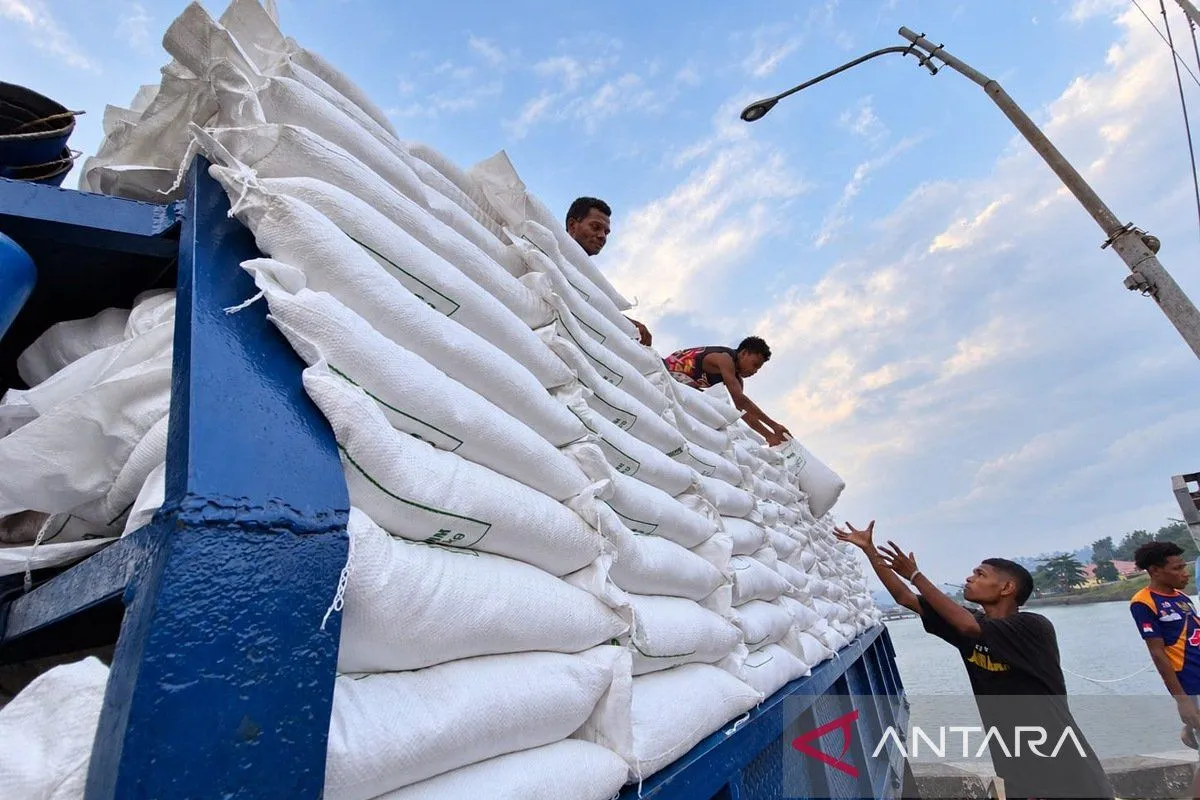
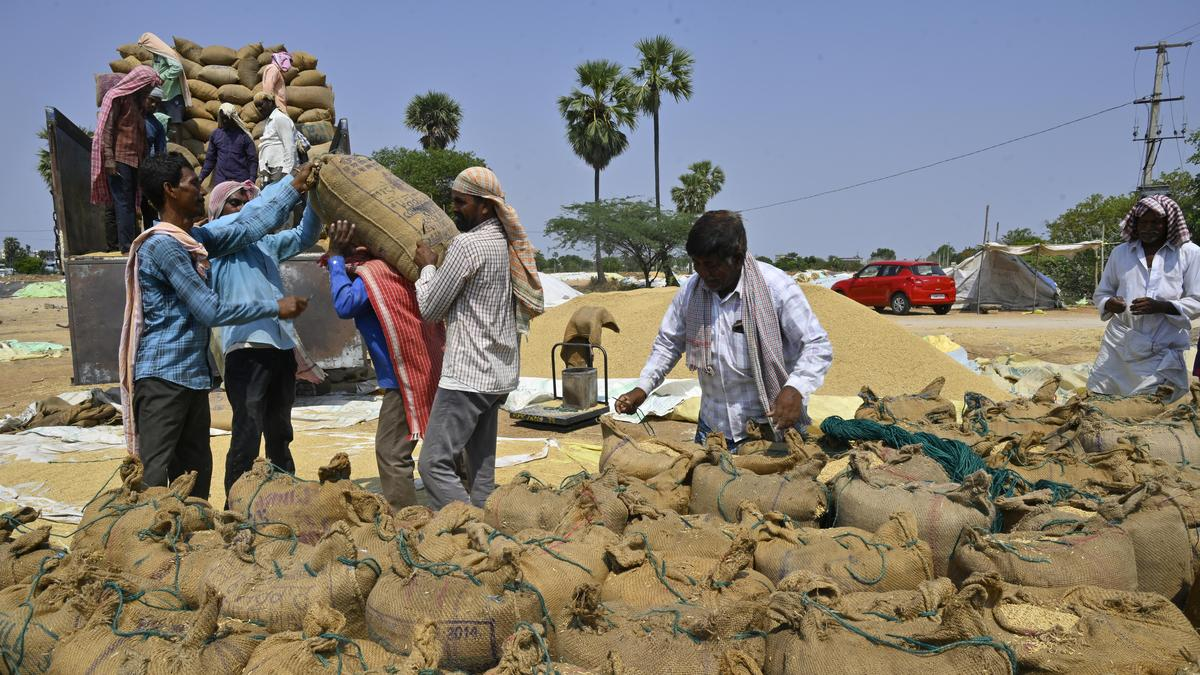
Rice inventories in Thailand, Vietnam and the Philippines have also fallen below levels recorded in 2023, increasing their vulnerability to adverse weather conditions.
Food Inflation Could Rise By Up To 2.5 Percentage Points
BMI identified food inflation as the most significant economic consequence of the expected El Niño conditions.
Its historical analysis found that extreme drought episodes were associated with food inflation increasing by approximately one percentage point after three months.
The impact became more pronounced over time, with food inflation averaging 1.8 to 2.5 percentage points higher within nine to 12 months of an extreme drought.
This suggests that agricultural disruptions could continue affecting consumer prices well after the initial period of dry weather.
For Malaysia, any weather-related increase in food production costs could add pressure to household spending and complicate inflation management, particularly if regional rice and other agricultural commodity prices rise.
BMI warned that lower-income households would be especially vulnerable because food accounts for a larger proportion of their expenditure.
Nevertheless, the research house said global rice supplies were better positioned to withstand weather-related disruptions than during the 2023–2024 period.
India, which accounts for approximately 39% of global rice exports, holds record inventories equivalent to 47% of domestic consumption, compared with 30% before the previous major price spike.
These stockpiles could reduce the likelihood of a repeat of the export restrictions that contributed to sharply higher international rice prices in 2023 and 2024.
Hydropower And Electricity Demand Also At Risk
Beyond agriculture, BMI warned that El Niño could affect electricity generation, particularly in countries dependent on hydropower.
Reduced rainfall can lower reservoir levels and constrain hydroelectric output, while hotter weather simultaneously increases electricity demand for cooling.
BMI identified Malaysia, Thailand, the Philippines and Indonesia among Southeast Asian economies where the proportion of hydropower capacity exposed to drought could increase.
However, the research house noted that these countries generate less than 20% of their electricity from hydropower.
As a result, the principal risk would be tighter electricity supply during peak demand periods rather than widespread power shortages directly attributable to hydropower.
The situation is considerably more serious in Southern Africa, particularly Zambia and Zimbabwe, where hydropower accounts for approximately 87% and 60% of electricity generation, respectively.
BMI warned that prolonged droughts in these countries could trigger electricity rationing, higher energy import costs and financial pressure on utility companies.
Extreme Heat Could Drive Record Electricity Demand
BMI expects Southeast Asia and Southern Africa to experience some of the sharpest increases in extreme heat exposure during the coming El Niño period.
During previous major El Niño episodes, approximately 20 million additional people in Southeast Asia were exposed to high-intensity heat compared with normal conditions.
Thailand was identified as particularly vulnerable.
BMI found that around 80% of Thailand’s population was exposed to temperatures above 35°C during the April peaks of strong El Niño events in 2015–2016 and 2023–2024.
This represented approximately 25 million to 27 million more people than would typically experience such conditions.
The research house warned that similar weather conditions could push Thailand’s electricity demand towards new records while increasing health and productivity risks for outdoor workers.
Construction, agriculture and other labour-intensive sectors are particularly exposed to prolonged periods of excessive heat.
Southern Africa Faces Greater Risk Of Power Shortages
Outside Southeast Asia, BMI highlighted Southern Africa as another major region facing considerable economic disruption.
Zambia and Zimbabwe were identified as particularly vulnerable because of their heavy reliance on hydropower and significant exposure to drought.
Mozambique also faces elevated risks as water levels at the Cahora Bassa reservoir remain below normal following the previous drought.
The reservoir is a major source of electricity for Mozambique and supplies power to neighbouring South Africa and Zimbabwe.
BMI warned that another severe drought could reduce electricity generation and disrupt regional energy supplies.
However, stronger maize inventories in several Southern African countries should help cushion some of the impact on food prices.
Climate Change Could Intensify Future El Niño Events
BMI cautioned that climate change would compound the economic damage caused by future El Niño events.
Under its baseline climate scenario, rising temperatures and changing rainfall patterns are expected to increase drought and heat exposure over the coming decades.
By the 2040s, close to 60% of Zambia’s cropland could be exposed to drought during an El Niño year, while more than one-third of Mexico’s hydropower capacity could face similar conditions.
The research house also highlighted the potential for more frequent extreme heat conditions across emerging markets, increasing pressure on infrastructure, labour productivity and public finances.
BMI said countries with weaker disaster preparedness and limited financial resources would face greater difficulties recovering from prolonged droughts, extreme temperatures and flooding.
For Malaysia, the report highlights three principal economic risks: possible disruption to palm oil production, higher food prices arising from regional agricultural shortages and increased electricity demand during extreme heat.
The findings suggest that businesses involved in agriculture, food processing, utilities and other weather-sensitive industries could face greater operational uncertainty during the 2026–2027 El Niño cycle.
However, BMI’s assessment is based on historical El Niño patterns and projected exposure rather than confirmed losses from the current weather cycle.
The research house believes that agricultural inventories, energy infrastructure resilience and preparedness for prolonged dry weather will determine how severely individual economies are affected.
While Southeast Asia remains particularly exposed to drought and heat, the extent of the economic impact on Malaysia will depend on the severity and duration of El Niño conditions, agricultural production resilience and the ability of regional food supply chains to absorb weather-related disruptions.
https://www.businesstoday.com.my/2026/10/26/el-nino-2026-2027-threatens-malaysias-palm-oil-output-food-prices-and-power-supply-bmi/Published Date: October 26, 2026


 READ