Downloads
 Login
Login
 Register


Tags
Japan went from a rice shortage to a record surplus in two years — Fortune
Lev Shevtsov
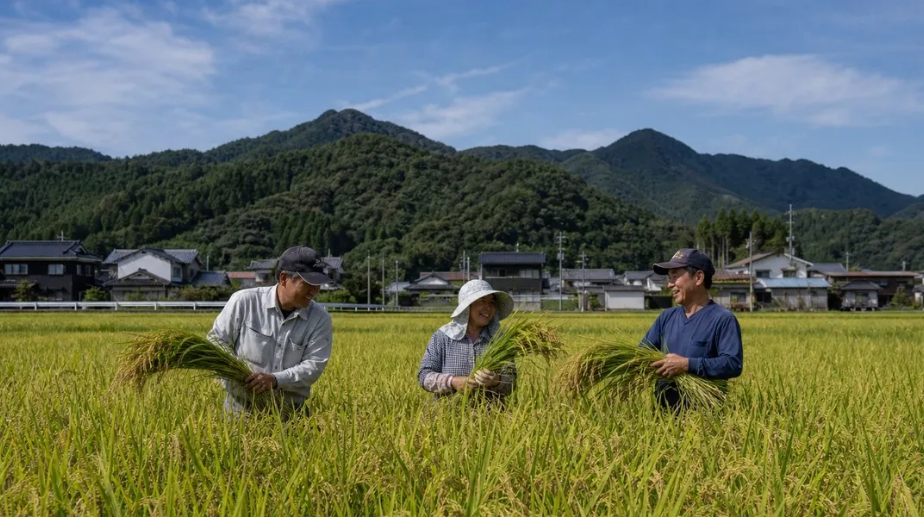
Japan faced a record rice surplus in 2026 after an acute shortage that emerged a year earlier due to heat, drought and rising demand. The government has already begun buying rice from the market to replenish depleted reserves and curb further price declines, Fortune reports.
In 2023, abnormal heat and drought damaged the rice crop during grain filling, reducing the volume of top-quality rice suitable for sale. At the same time, demand increased due to a tourism boom and panic buying following an earthquake warning. Private stocks fell from their usual level of around 2 million tonnes to approximately 1.5 million tonnes.
The shortage raised the price of a five-kilogram bag of rice from about 2,000 yen at the beginning of 2024 to a peak of 4,300 yen in 2025. That year, Japanese authorities released emergency rice reserves onto the market for the first time since the reserve system was established in 1995; these stocks were usually intended for natural disasters. The crisis also led to a minister’s resignation.
Production exceeded demand
According to Ryosuke Inoue, an expert in Japanese agricultural policy, high prices prompted farmers to sharply increase production. By mid-2026, private stocks had risen to 2.43 million tonnes, and the Ministry of Agriculture forecasts a further increase in the surplus in 2027.
Prices have already fallen to about 3,300 yen per five kilograms. In September, the government decided to buy 210,000 tonnes of rice to restore reserves used during the shortage. Inoue believes that the opaque rice distribution system made it difficult for authorities to respond promptly to the price surge.
Imports from the US and farmers’ ageing
The shortage coincided with trade negotiations between Japan and the United States. Under an agreement concluded in the summer of 2025, Japan was to increase purchases of US rice by 75%. The country had already imported rice under the World Trade Organization’s duty-free quota of 770,000 tonnes per year, with the US traditionally supplying about half of that volume.
An additional challenge is the ageing of rice growers: the average age of a Japanese rice farmer is 67.7 years, while the share of farmers under 30 is only 1.2%. Inoue also noted that drought in western Japan this year is already associated with lower yields, while heat-resistant rice varieties still account for no more than 20% of all plantings.
https://ua.news/en/agro/iaponiia-pereishla-vid-defitsitu-risu-do-rekordnogo-nadlishku-za-dva-roki-fortunePublished Date: September 26, 2026


 READ
READ