Downloads
 Login
Login
 Register


Tags
El Niño Threat Looms: Philippines Continues Rice Imports to Mitigate Shortage Fears
By Rajiv Menon
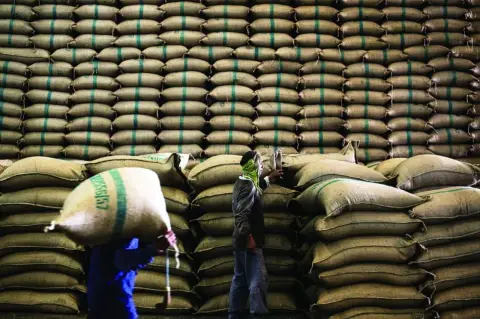
In preparation for a potential reduction in domestic supply due to the expected El Niño weather event, the Philippines will not enforce a prohibition on rice imports this year. The possible upcoming strong El Niño, according to the nation’s Department of Agriculture, may diminish the national paddy yield by an estimated 750,000 metric tons. This could exacerbate the risk of supply shortages prior to the dry-season harvest in the early part of 2027.
Rice Demand Outweighs Domestic Supply
The consumption of rice in the Philippines exceeded the domestic supply by over one million metric tons last year. The country’s demand was 13.57 million metric tons, greatly surpassing the domestic yield of 12.40 tons. Francisco P. Tiu Laurel Jr., the Secretary of Agriculture, has stated the government’s intention to ensure large rice reserves are held prior to the upcoming harvest in order to preempt potential supply shortages.
This strategic decision marks a deviation from the previous year’s approach, during which the Philippines halted rice imports between September and December. This move was implemented to bolster domestic paddy prices during the primary harvest season. This interruption to the importation process impacted delivery schedules for numerous Vietnamese exporters. Consequently, several companies had to seek orders from Africa and the Middle East.
Impact on International Trade
By August 3rd of this year, the Philippines had imported 3.3 million tons of rice. To lessen the impact of ongoing imports on local rice farmers, the government has directed the National Food Authority to procure 500,000 metric tons of paddy during this year’s wet-season harvest.
A rice exporting enterprise in Vietnam’s Dong Thap Province has indicated that the Philippines’ decision to persist with imports will facilitate more straightforward negotiations of contracts for future deliveries this year. The Philippine market’s demand for Vietnam’s fragrant rice varieties remains steadfast due to their competitive pricing and unwavering quality.
Vietnam exported a total of 5.5 million tons of rice in the first seven months of the year, generating $2.64 billion in revenue. In terms of volume, this figure represents a 0.5% increase year-on-year, although overall exports have declined by 6.7%. The Philippines continues to be Vietnam’s largest market, accounting for 45% of total exports.
El Niño is a naturally occurring climate phenomenon characterized by unusually warm Pacific Ocean temperatures. This weather pattern can disrupt global weather patterns and often results in droughts in Southeast Asia, thereby reducing agricultural yield.
https://retailnews.asia/el-nino-threat-looms-philippines-continues-rice-imports-to-mitigate-shortage-fearsPublished Date: August 10, 2026


 READ
READ