Downloads
 Login
Login
 Register


Tags
Fragrant rice prices hit record high; market manipulation, export permission blamed
Iftekhar Shimul & Md Masud
According to traders, the retail price of various aromatic rice varieties has increased by Tk70 to Tk80 per kilogram over the past six months.
Highlights:
- Aromatic rice prices jumped nearly 57% in six months, reaching record highs
- Retail prices increased from Tk140 to Tk215-220 per kilogram
- Traders link price rises to government’s aromatic rice export approvals
- Exporters blame millers for stockpiling and manipulating domestic prices
- Mill owners cite stronger international demand driving higher domestic prices
- Government reviewing export permits’ impact on local rice market prices
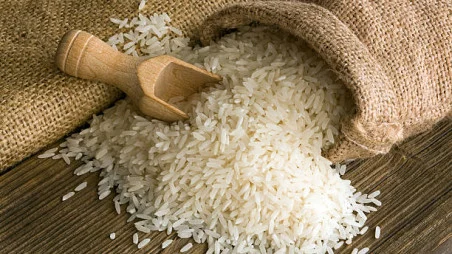
The price of aromatic rice has surged by nearly 57% over the past six months, reaching a record high in the domestic market. Varieties that sold for around Tk140 per kilogram earlier this year are now retailing at Tk215-220 per kilogram. Exporters, rice mill owners and traders remain divided over what is driving the sharp increase.
According to traders, the retail price of various aromatic rice varieties has increased by Tk70 to Tk80 per kilogram over the past six months.
Sakhawat Hossain, owner of Chandpur Store at Palashi Market in Dhaka, said aromatic rice that cost wholesalers Tk128-135 per kilogram six months ago was then sold at retail for around Tk140. Recently, wholesale prices jumped sharply, forcing retailers to sell the same rice for Tk215-220 per kilogram.

Infograph: TBS
“Sales have dropped after the price hike,” he said. “Customers are buying less once they hear the price. It’s difficult to predict where prices will eventually stop.”
Borhan Uddin, a trader at Prottasha Rice Agency in Babubazar, said wholesalers are already paying significantly higher prices.
“We’re buying rice at higher prices from the wholesale market. I’ve heard aromatic rice exports have started, which is why prices have gone up,” he said. “Wholesale prices may increase by another Tk10 per kilogram next week.”
Prices of packaged aromatic rice brands have also climbed.
One-kilogram packs of Pran, Chashi, Fresh and Erfan brands are selling for Tk190, while Rupchanda is priced at Tk200, Ispahani Parbon at Tk175, and EC Daily at Tk165.
A market visit in Chattogram found that Chinigura aromatic rice is currently selling at Tk160-200 per kilogram, depending on quality, up from Tk130-160 just a few months ago. This means prices have increased by Tk30-40 per kg.
Omar Azam, general secretary of the Chaktai Rice Traders’ Association, told The Business Standard that prices have surged since the government allowed exports of aromatic rice.
“After the government approved aromatic rice exports, prices in the domestic market increased significantly. With export opportunities opening up, traders involved in the business have taken advantage of the situation by raising rice prices,” he said.
Exporters blame market manipulation
According to the Ministry of Commerce, the government granted export permits for aromatic rice to 211 companies on 13 May and to another 67 companies on 14 July.
Rice exporters reject claims that exports are responsible for the price hike, instead blaming some mill owners for artificially raising prices.
Mohammad Ishakul Hossain, president of the Bangladesh Rice Exporters Association, said only about 2,000 tonnes have been exported during the past month.
“The government allowed exports to ensure farmers receive fair prices,” he said. “But some millers have taken advantage of the situation by stockpiling rice and increasing prices.”
He said Bangladesh produces around 10 lakh tonnes of aromatic rice annually, while domestic demand stands at only 4 lakh tonnes, leaving a surplus of roughly 6 lakh tonnes.
“In such a situation, exporting part of the surplus should not create a supply shortage in the domestic market,” Ishakul said. “Instead, market instability is harming the country’s promising agricultural export potential.”
Mill owners cite export demand
Rice mill owners, however, argue that stronger international demand is naturally pushing domestic prices higher.
Farhan Hossain Chakdar, general secretary of the Naogaon District Rice Mill Owners Group, said, “As overseas demand and prices have increased, domestic prices have also gone up,” he said. “Other factors are secondary.”
Ayesha Akter, additional secretary of the Export Wing at the commerce ministry, told The Business Standard that permission had indeed been granted for aromatic rice exports. However, she said she was not aware that the export approvals had contributed to the recent rise in domestic rice prices.
She added that she first learned about the reported price increase through media reports. The ministry will analyse the impact of the export permits on the domestic rice market and, if necessary, inform the relevant authorities after reviewing the findings.
Agricultural economist and researcher GM Monirul Alam said aromatic rice is generally not considered an essential staple, meaning the government does not regulate its price.
“Its price is determined by market demand and supply,” he said.
He added that once exports begin, international market conditions can influence domestic prices.
“If export prices increase, it is not unusual for domestic prices to rise as well,” he said.
https://www.tbsnews.net/markets/fragrant-rice-prices-hit-record-high-market-manipulation-export-permission-blamed-1500616Published Date: July 29, 2026


 READ
READ