Downloads
 Login
Login
 Register

Tags
Paddy transplantation continues in Punjab amid forecast of below-normal rainfall
By Muhammad Luqman
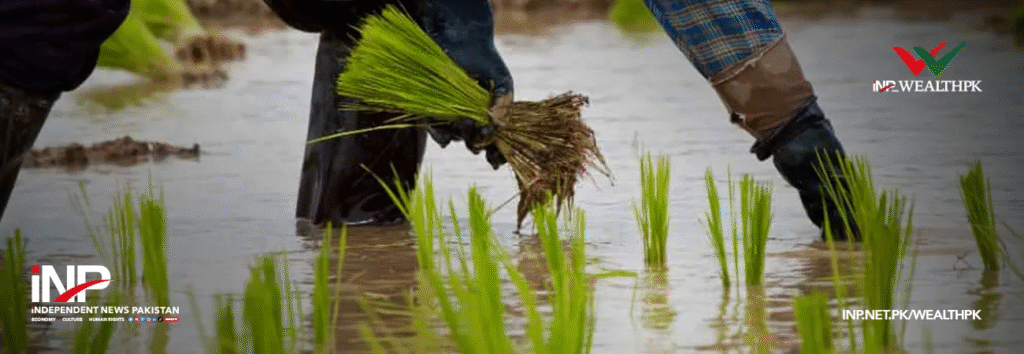
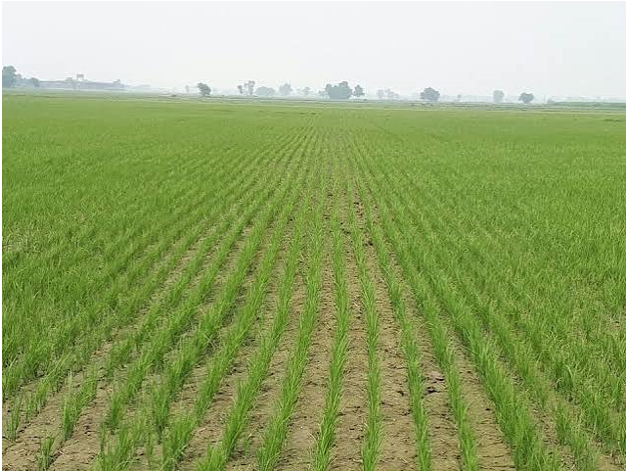
Transplantation of Basmati paddy varieties is continuing across Punjab, although the pace remains slow due to limited rainfall in July, raising concerns among growers.
“Punjab has not received sufficient rainfall so far this month, which is essential for cultivating the water-intensive paddy crop,” said Usman Saleem, Senior Scientist at the Rice Research Institute, Kala Shah Kaku, Lahore.
The Punjab government has set a target of cultivating 5.5 million acres of paddy this year, with expected production reaching 5.25 million tonnes during the 2026-27 crop season. Nationwide, paddy cultivation is projected to cover more than 7.4 million acres, with a production target of 9.17 million tonnes.
Talking to Wealth Pakistan, Usman Saleem said the transplantation process is expected to accelerate if the province receives substantial monsoon rainfall in the coming days.
He said adequate rainfall would help Punjab achieve its cultivation target. Last year, the province exceeded its paddy cultivation target by 20%, he added.
Fine rice varieties, including Basmati, account for about 65% of Punjab’s total paddy cultivation area, while the remaining acreage is planted with coarse varieties, including IRRI, hybrid and other rice types.
Saleem said the optimum period for transplanting Basmati seedlings is from July 7 to July 30, while coarse varieties are generally transplanted between June 20 and July 7.
“If central and northern Punjab receive sufficient rainfall, the cultivation target is likely to be achieved,” he said.
According to the Pakistan Meteorological Department, most parts of the country are expected to receive below-normal rainfall during July.
“Upper Punjab, including the paddy-growing belt in the northeastern divisions, is likely to receive below-normal rainfall during the current month,” said Dr Muhammad Zaheer Babar, Chief Meteorologist.
Talking to Wealth Pakistan, he said daytime temperatures are also expected to remain above normal across the country, including Punjab.
“These weather conditions may affect crop water requirements, irrigation scheduling, pest populations and overall crop management during the month,” Dr Babar said.
Rice exporters are also concerned about the possible impact of below-normal rainfall and climate change on rice production.
“Such conditions may reduce the exportable surplus of rice, which is an important source of foreign exchange earnings,” said Taufiq Ahmad Khan, former Senior Vice Chairman of the Rice Exporters Association of Pakistan.
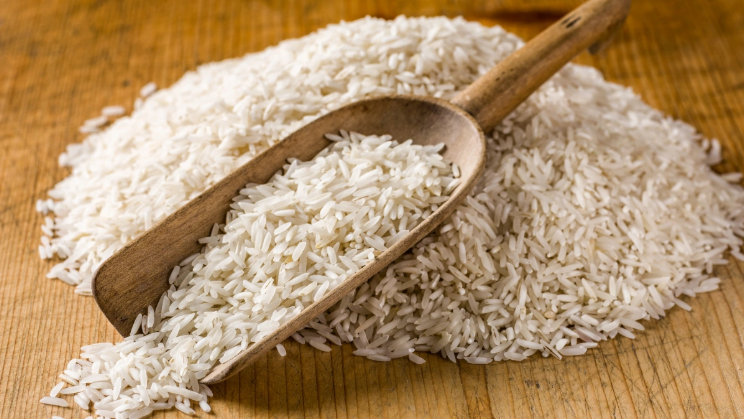
Talking to Wealth Pakistan, he said the increasing cultivation of hybrid rice in Punjab has reduced the area under Basmati varieties, leading to lower production of premium-quality rice.
“Moreover, some dealers are mixing hybrid rice with Basmati, which could damage the reputation and demand for Pakistani Basmati in international markets. The government should take immediate notice of this issue,” Khan said.
He stressed that the government should play a proactive role in maintaining an efficient rice value chain from farm to shelf by strengthening the regulatory framework governing rice varieties.
He warned that an unregulated variety regime could create traceability issues in international markets.
Published Date: July 21, 2026


 READ
READ