Downloads
 Login
Login
 Register


Tags
Rice, the EU does not change the threshold for zero tariffs imports. Producers: 4 billion damage
The Europarliament finally approved the regulation on tariff concessions for the least developed countries (the so-called Generalised System of Preferences) for the next ten years while leaving the ‘phantom’ clause on rice imports unchanged.
by Alessio Romeo
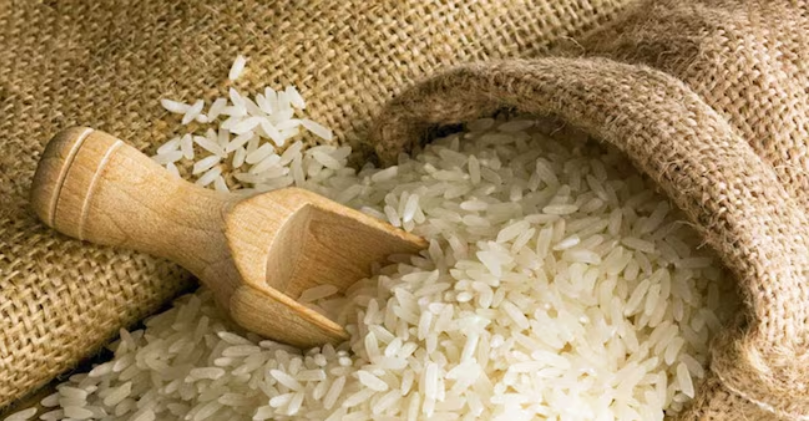
Not even the last desperate joint appeal of the Italian industry was successful. The Europarliament has definitively approved the regulation on tariff concessions for the least developed countries (the so-called Generalised System of Preferences) for the next ten years while leaving the ‘phantom’ clause on rice imports unchanged.
The vertiginous growth of foreign arrivals at very low costs even of already processed and packaged products will in fact be able to continue undisturbed, with good peace for the excellence of the Made in Italy agro-industrial sector. The safeguard clause contained in the broad system of concessions conceived by Europe as support for the growth of poorer countries, provides for the reinstatement of tariffs only in the case of an increase in imports of more than 45% compared to the (already very high) average of the last ten years. According to the organisations’ calculations, more than 562,000 tonnes per year at zero tariffs against a considered sustainable quantity of 200,000.
An attempt by an amendment in extremis tabled by MEP Carlo Fidanza (and supported by a long list of MEPs) to reduce the increase in the threshold above which European market protection is triggered to at least 20% was to no avail. A blitz that risked blowing up the entire Spg dossier, which has been dragging on for years with an unfortunately highly negative outcome for the rice sector: there are too few producer countries (eight, with Italia alone accounting for more than 50%) to move European sensitivity on the issue.
According to Copa-Cogeca, the confirmation of the ‘phantom clause’ jeopardises 100 thousand hectares of Indica-type rice in Europe at an estimated cost of 4 billion, against an estimated benefit of just 18 million for producers in the countries benefiting from the agreement. These include Cambodia and Myanmar, major producers and exporters to the EU with more than 500 thousand tonnes, which have more than doubled in the last decade and come to cover almost a third of Europe’s total imports of 1.6 million tonnes (out of a consumption of 2.6), increasingly made up of ready-packed rice at unsustainable prices by European standards.
The new regulation, explains the director of Airi, the rice industry association, Pietro Milani, therefore envisages an automatic safeguard for rice which, starting from 2027, will be activated when about 313,000 tonnes of imports from Cambodia and 249,000 tonnes from Myanmar are reached, for a total threshold of about 562,000 tonnes, above the historical maximum volumes recorded. A paradox that makes the reintroduction of tariffs on milled rice of 175 euro per tonne inapplicable unless a slice of Italian and European production is cancelled. “A result,” Milani points out, “that is far removed from the requests of the supply chain, which during negotiations had urged the EU institutions to provide for the automatic reintroduction of tariffs when a threshold considered more appropriate to protect domestic production, at around 200 thousand tonnes, is reached.
“The change was instead essential,” explains Confagricoltura, “to ensure a timely defence mechanism against market imbalances in trade between EU and Pma rice producers. For the rice sector, of which Italy is the leading European producer with more than 50% of the quantities, it means threatening the resilience of companies and rural territories and hardly being able to compete in an increasingly unstable global market”.
“We do not agree with the European Parliament’s decision to keep the threshold for activating the safeguard clause at 45%,” says Minister Lollobrigida. “This is a sector that suffers competition from third countries that do not respect our same environmental standards, our standards on respect for workers’ rights. Their competitive price does not come from exceptional business skills or high quality, but from their way of operating with very few rules. This is a choice that does not adequately protect an excellence, a strategic sector for agriculture such as Italian rice growing. It is also regrettable to see that even Italian MEPs voted against the proposal to lower the trigger for clauses. For our part, we will continue to work in all European forums to defend the Italian rice supply chain’.
Copyright reserved ©
https://en.ilsole24ore.com/art/rice-eu-does-not-change-import-thresholds-zero-tariffs-producers-give-4-billion-AIvhImkCPublished Date: April 29, 2026


 READ
READ