Downloads
 Login
Login
 Register


Tags
Jakarta Faces Retail Rice Shortage as Costs Surge
Endang Mulyani
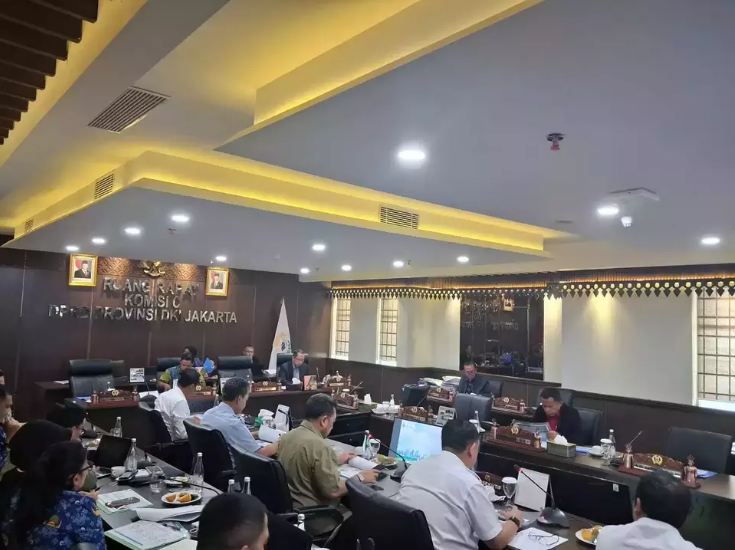
Jakarta. Indonesia could face a potential rice shortage in modern retail channels as surging production costs discourage suppliers from distributing to the segment, industry officials said.
Dodot Tri Wibowo, chief executive of Food Station Tjipinang Jaya, said the Jakarta-owned food enterprise has been incurring losses as production costs exceed the government’s highest retail price (HET) for rice.
The pressure comes despite assurances from Andi Amran Sulaiman, who also heads the National Food Agency, that rice prices under the Food Supply and Price Stabilization (SPHP) program will not be raised. The policy caps purchases at 25 kilograms per consumer to prevent market distortions and will continue at current price levels.
The fixed price policy has squeezed margins for suppliers. Food Station, a key distributor for the Jakarta region, has temporarily halted rice shipments to modern retail outlets as costs continue to climb.
One of the main drivers is the sharp increase in plastic packaging prices, which have surged by around 84% in recent years. Packaging costs alone rose from Rp 1,725 per unit in 2025 to Rp 3,000 in the first quarter of 2026, Dodot said during a hearing with the Jakarta Regional House of Representatives.
At the same time, raw material costs are rising. Unhusked rice prices have reached Rp 7,500 per kilogram, translating to around Rp 15,000 for milled rice—already above the HET of Rp 14,900, even before factoring in packaging, logistics, and operational expenses.
“That does not yet include packaging and other costs,” Dodot said, underscoring the growing mismatch between regulated prices and market realities.
Supply pressures are also mounting. Data from the Central Statistics Agency (BPS) show that rice production between January and May 2026 is projected at 16.57 million tons, down 2.22% from 16.95 million tons in the same period last year.
Industry players cite multiple headwinds, including rising input costs, extreme weather linked to El Niño, and geopolitical tensions affecting the supply and cost of plastic raw materials.
To cope, Food Station is adjusting its strategy by increasing bulk procurement during peak harvest periods and shifting toward larger packaging formats to cut costs. The company is also repackaging 50-kilogram bulk rice into smaller sizes more efficiently and optimizing distribution under the government price program.
Retailers, meanwhile, are adapting by reducing smaller packaging options and focusing on larger sizes, while leaning more on higher-margin products such as cooking oil, flour, eggs, and milk.
Despite the constraints, Dodot said certain products — such as fortified and specialty rice, including japonica, basmati, and organic varieties — remain viable for modern retail as they fall outside the highest retail price.
https://jakartaglobe.id/business/jakarta-faces-retail-rice-shortage-as-costs-surgePublished Date: April 28, 2026


 READ
READ