Downloads
 Login
Login
 Register


Tags
India’s Basmati Rice Exports Hit By Strait Of Hormuz Standoff Amid US-Israel-Iran Conflict
Blockade disrupts shipments, raises freight costs, and causes financial losses for Haryana’s rice exporters, threatening production amid ongoing Gulf region tensions, reports Munish Turan.
By ETV Bharat English Team
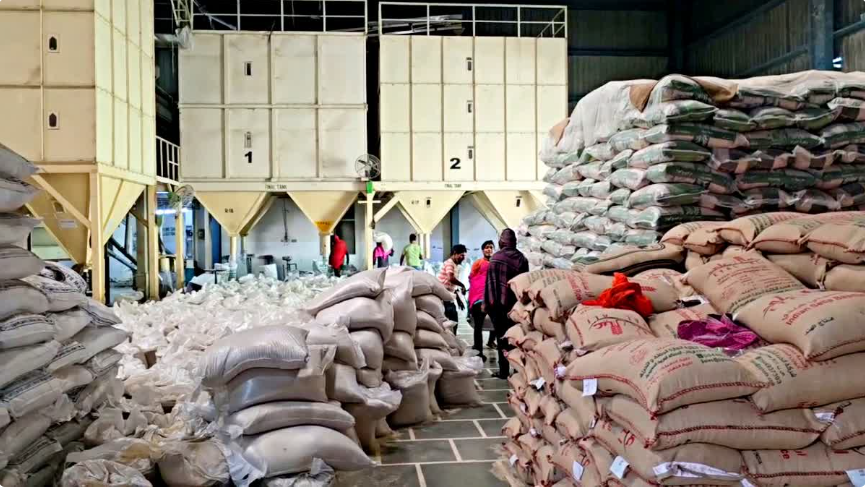
Karnal: The ongoing blockade of the Strait of Hormuz, a vital shipping route, caused by the conflict between the US-Israel alliance and Iran, has severely disrupted India’s Basmati rice exports.
Exporters say the disruption has led to shipments being held up at ports, soaring freight costs, and significant financial losses. Haryana, which accounts for 40 per cent of India’s rice exports, has been hit particularly hard, putting the regional rice trade at risk amid the continuing tensions.
Dinesh Gupta, a rice miller and trader, said the supply operations had been adversely affected by the closure of Gulf ports situated near the Strait of Hormuz.
“Nearly 70 per cent of India’s Basmati rice exports are destined for the Gulf nations. Ships that set sail on their routes on or after February 28—that is, before the commencement of the war—have been unable to reach their intended destinations,” he said.
Rising costs and disrupted production
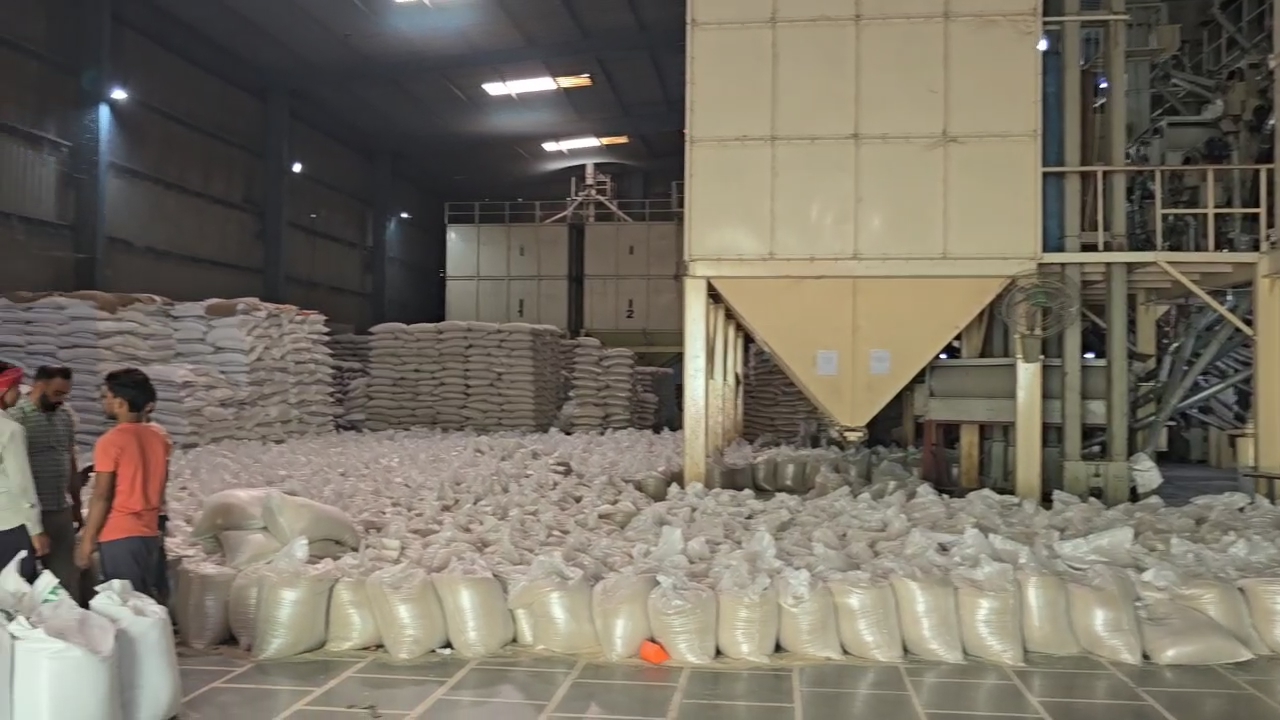
Gupta said that during the emergency, ships were forced to offload their cargo at any accessible seaports. Many containers have yet to reach their final destinations, incurring high costs for storage and maintenance.
According to him, the containers stranded at different ports are forced to pay charges and ground rent, while shipping freight rates have also surged substantially. “The war has caused significant disruptions, leading to an overall increase in operational costs ranging from 25 per cent to 30 per cent,” Gupta said.
The rice millers stated that movement along other routes was also proceeding very slowly, significantly disrupting the entire production cycle.
“Consequently, our goods remain stranded midway, resulting in financial losses for us. Our business typically yields a profit margin of two to three per cent; however, we are now compelled to spend even more than that amount on the rice currently stuck in transit,” they said.
Some claimed that expenses had surged by 25 to 30 per cent, and it is impossible to say whether the buyers or the government will step in to provide support.
Target and risk of closure
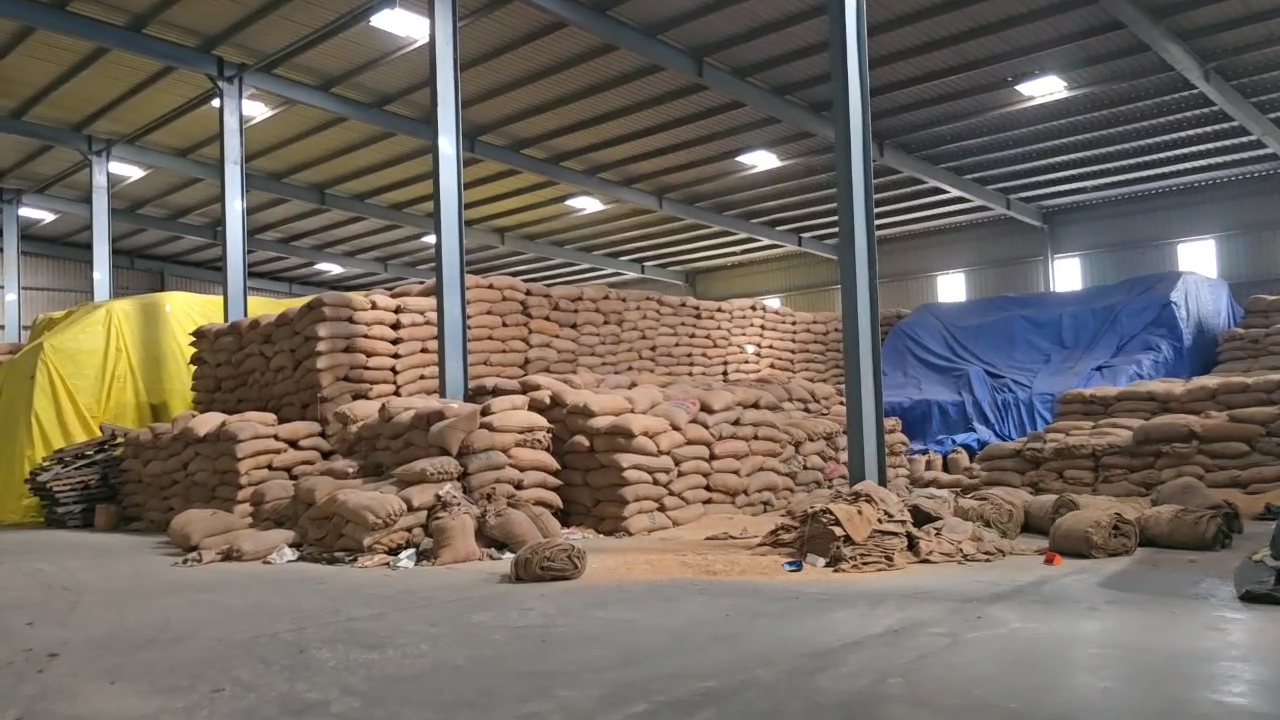
The rice miller noted that in the year 2025-26, India exported 6 million tonnes of basmati rice to international markets. They are optimistic about surpassing the 6-million-tonne mark this year; however, given that the conflict has persisted for two months, it is currently difficult for them to make any predictions.
The government has not yet released the latest statistics, as the financial year concluded only on March 31; therefore, they have not yet received the new data.
“If the conflict does not subside or come to an end, in the coming days, this industry could face severe repercussions,” said Gupta.
According to him, manufacturers may be forced to scale back production or, in extreme cases, shut down their mills entirely. “While the situation has not yet reached that critical stage, production has definitely declined,” he said. “Currently, we are not receiving any new orders, and incoming payments have been stalled.”
Addressing the issue of the workforce, he said that there were no immediate difficulties regarding labour currently. However, if this conflict continues unabated, production levels could drop even further in the future, he added.
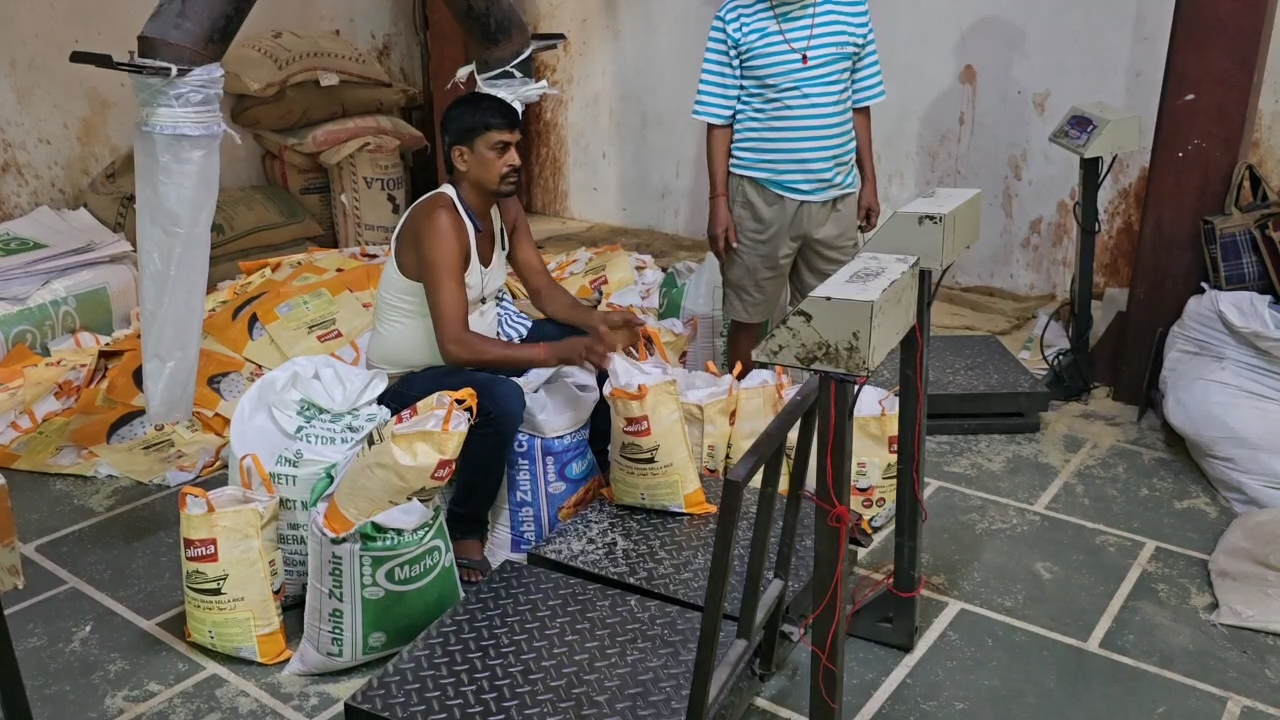
“Should the mills be forced to close, the workers would inevitably face hardships. Typically, when mill operations slow down, the workforce is correspondingly reduced,” he said. “As of now, however, the conflict has not yet had a direct impact on the workers. We are currently in dialogue with the government regarding all these issues to ensure that rice exporters do not suffer financial losses and that a viable solution to this crisis can be found.”
A rice trader, Amit Bansal, stated that since Iran, Israel, and the Gulf nations import large quantities of rice from India, shipments destined for the Gulf countries over the past two months had been stalled midway due to the war; furthermore, no new orders are being received, and payments remain stuck in limbo.
“Consequently, a noticeable impact, albeit a small percentage, is already becoming apparent in production levels. However, if this conflict continues for an extended period, it is bound to have a profound impact on rice traders and the entire rice industry,” he said.
Haryana is recognised as a major hub for rice exports; from here, Basmati rice is exported to Europe as well as to the Gulf nations. “The war has adversely affected shipments, payments, and orders,” Bansal said.
Published Date: April 6, 2026


 READ
READ