Downloads
 Login
Login
 Register


Tags
Japan’s rice production forecast to dip
By John Reidy
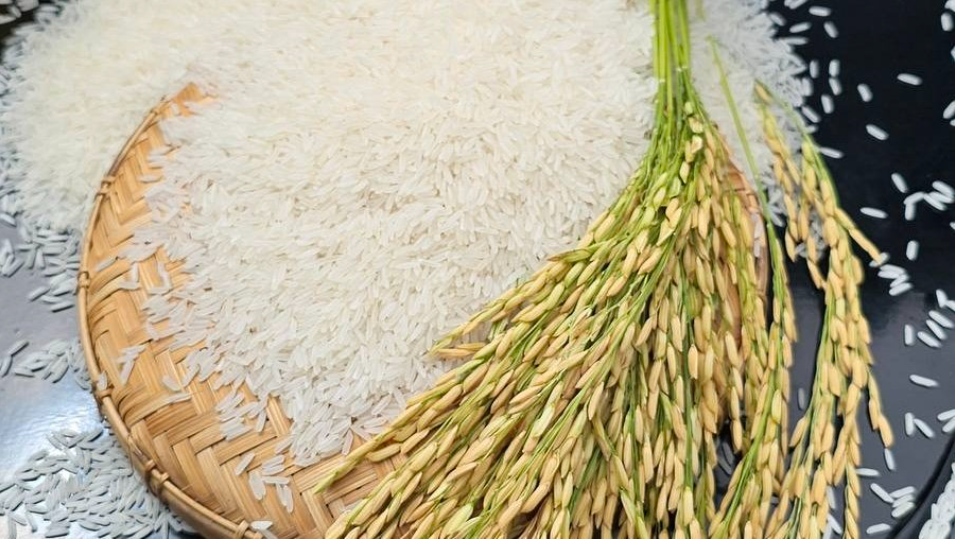
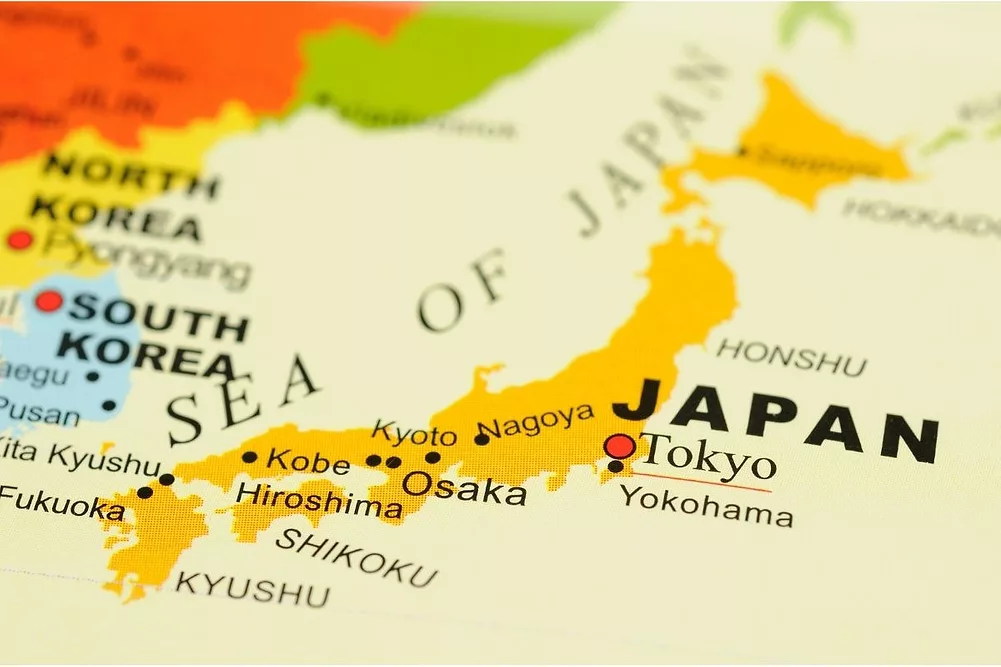
TOKYO, JAPAN — The rice harvest in Japan is expected to yield 7.38 million tonnes in marketing year 2026-27, a 1.5% decline from 2025-26 for the staple crop that has been falling out of favor with farmers, according to a report from the Foreign Agricultural Service (FAS) of the US Department of Agriculture.
A sharp increase in prices led to planted area for rice in 2025-26 to buck a downward trend in recent years, however, as stocks increase and prices stabilize, the planted area is expected to resume its decline. Japan’s rice planting area is forecasted to be 1.46 million hectares in 2026-27, down 0.8% from 2025-26.
“This decline reflects the ongoing trend of aging farmers exiting the industry as well as an anticipated shift away from rice to other crops such as wheat, barley and corn,” the FAS said.
Japan’s rice consumption is seen reaching 8.05 million tonnes, a 1.9% increase from the previous year’s estimate, driven by an anticipated increase in feed consumption. Rice remains a staple food in Japan, however table rice consumption steadily has declined over the past six decades due to lower per capita intake and a shrinking and aging population.
“While table rice consumption continues to account for the majority of rice demand in Japan, rice used for feed has become increasingly important in balancing overall supply and demand,” the FAS said.
Japan’s rice imports are forecast to decline 11% to 750,000 tonnes in 2025-26, and further 7% to 700,000 in 2026-27 as private imports are projected to weaken.
Wheat production, meanwhile, is projected to increase nearly 7% to 1.113 million tonnes in 2026-27, as farmers return to the cereal grain following the price spike for rice. Forecasted imports of 5.55 million tonnes are down 3.5% due to increased domestic production and declining feed demand.
Since 2023-24 Canada has surpassed the United States as Japan’s leading supplier of food wheat, driven by price competitiveness and growing demand for bread and pasta. Japan primarily imports Canadian Western Red Spring wheat, which is suited for baking bread. Canada is also a leading supplier of durum wheat.
Barley production also is expected to resume its climb as rice prices ease. Planted area for 2026-27 is projected to grow 2% to 65,000 hectares and production at 235,000 tonnes, up 2.2%.
Barley imports are seen at 1.1 million tonnes, down 4% to meet total demand of 1.43 million tonnes. Japan sources feed barley predominantly from Australia and Canada, while food barley is imported from Australia, Canada and the United States.
Corn mainly is produced in paddy fields as a substitute crop for rice in Japan. While corn production has grown steadily over the years, the country will continue to rely heavily on imports as the domestic production accounts for only 0.1% of demand, the FAS noted. The country is expected to import 15.6 million tonnes in 2026-27, down 0.6%, to meet total consumption of 15.65 million tonnes. Japan imports corn predominantly from the United States and Brazil based on price.
https://www.world-grain.com/articles/22569-japans-rice-production-forecast-to-dipPublished Date: March 28, 2026


 READ
READ