Downloads
 Login
Login
 Register


Tags
Rice exporters asked to shift shipping cost risks to buyers amid Iran tensions
The federation advised members to shift to free on board terms, allowing international buyers to handle freight and insurance, thereby protecting Indian exporters from rising costs on fixed-price contracts.
By PTI
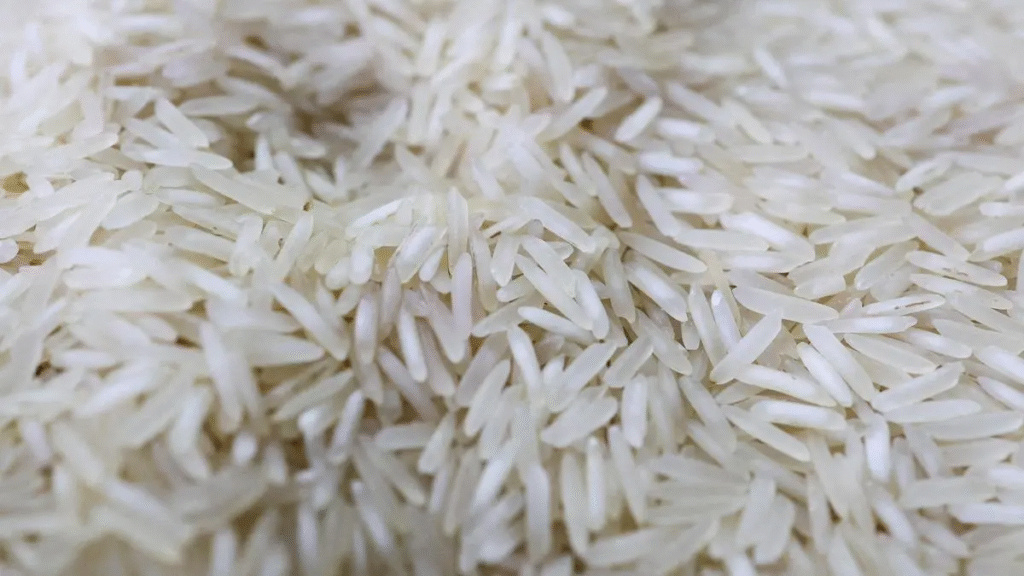
The Indian Rice Exporters Federation has advised its members to avoid fresh cost, insurance and freight (CIF) commitments for Iran and parts of the Gulf as the security situation in the region deteriorates and fears of restricted movement through the Strait of Hormuz mount.
The federation, in an advisory to its members on Sunday, asked exporters to switch, wherever possible, to free on board (FOB) terms — a structure under which the international buyer bears freight, insurance and related risks so that Indian exporters are not left exposed to runaway costs on fixed-price contracts.
“Developments in Iran and the UAE could push up bunker prices, the fuel that powers cargo vessels … container and bulk freight could increase sharply at short notice,” the exporters’ body warned, adding that insurance premiums could also spike steeply.
The scale of vulnerability is significant. India’s rice trade with Africa and the Middle East together accounts for roughly half of the national rice exports. During April-December 2025, shipments to the Middle East totalled 3.90 million tonnes, while Africa received 7.16 million tonnes.
For basmati, the exposure is even more concentrated. The five largest buyers – Saudi Arabia, Iran, Iraq, the UAE and Yemen – are all in the Middle East and together account for about 50 per cent of India’s basmati exports.
With basmati wholesale prices already 10-15 per cent higher than a month ago and Iran being a critical destination, the federation warned of “heightened volatility in basmati prices in the coming days.” IREF has also called on exporters to exercise restraint in taking on new orders and to avoid open-ended, unhedged positions, language that signals real anxiety about the pace at which market conditions could shift.
The federation said it is monitoring the situation closely and is in contact with exporters whose consignments are in transit or awaiting port clearance. Members facing difficulties have been asked to seek its assistance directly.
Further advisories will be issued as the situation develops, IREF said.
“The escalating Iran-Israel conflict is sending ripples through India’s rice export market, particularly for key varieties like Basmati, Gobindo Bhog, and Sona Masoori. With Middle East countries accounting for over 70 per cent of India’s rice exports, the crisis could have a huge impact on the industry,” Villa Group CEO Suraj Agarwal said in a statement.
These varieties saw a surge in demand from the region this year, driving prices up. “However, the ongoing tensions may disrupt trade, affecting shipments and payments. This could lead to a surplus of these varieties in the domestic market, potentially causing prices to fall.” “If the conflict expands to other Middle East countries, the impact could be even more severe, given the region’s significance in India’s rice export portfolio,” he noted.
https://www.thehindubusinessline.com/economy/rice-exporters-asked-to-shift-shipping-cost-risks-to-buyers-amid-iran-tensions/article70691429.ecePublished Date: March 1, 2026



 READ
READ